E-commerce Market Segmentation 2025: Sustainable Product Niches
Anúncios
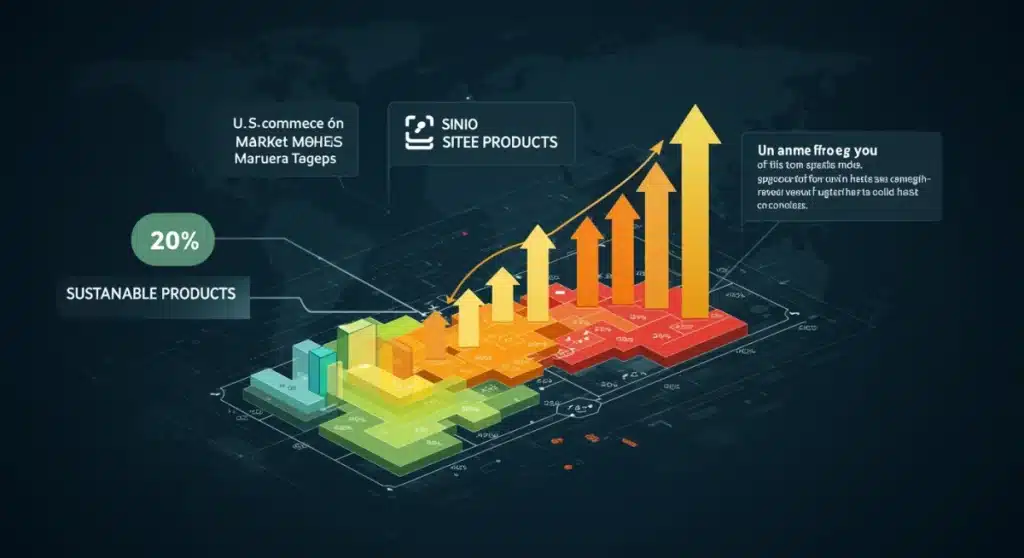
E-commerce market segmentation in the U.S. for 2025 reveals sustainable products as a rapidly expanding sector, poised for 20% annual growth due to shifting consumer preferences and environmental awareness.
Anúncios
As we approach 2025, understanding e-commerce market segmentation is paramount for businesses aiming for sustainable growth in the U.S. The landscape is rapidly evolving, with a distinct shift towards conscious consumerism. This article delves into the high-growth niches within the U.S. e-commerce market, with a particular focus on sustainable products, which are projected to experience an impressive 20% annual growth.
Anúncios
The Shifting Tides of Consumer Behavior in E-commerce
The U.S. e-commerce landscape is undergoing a significant transformation, driven by a confluence of technological advancements, demographic shifts, and changing consumer values. Shoppers are no longer solely focused on price and convenience; a growing segment prioritizes ethical sourcing, environmental impact, and social responsibility.
This evolution necessitates a more nuanced approach to market segmentation. Businesses that fail to adapt to these new consumer expectations risk falling behind. Understanding these behavioral shifts is the first step toward identifying and capitalizing on emerging opportunities.
Demographic Influences on Sustainable Purchasing
Several demographic groups are spearheading the sustainable product movement. Millennials and Generation Z, in particular, demonstrate a strong preference for brands that align with their values. They are more likely to research a company’s environmental practices and are willing to pay a premium for sustainable alternatives.
- Millennials (Born 1981-1996): Value authenticity and purpose-driven brands.
- Generation Z (Born 1997-2012): Highly socially conscious, digitally native, and environmentally aware.
- High-Income Earners: Often have the disposable income to invest in higher-priced sustainable goods.
Beyond these younger demographics, there’s a broader awakening across age groups, fueled by increased awareness of climate change and social justice issues. This means sustainable choices are becoming more mainstream, expanding the potential customer base for eco-friendly products.
In essence, consumer behavior in e-commerce is maturing. It’s moving beyond transactional interactions to encompass a more holistic view of brand responsibility and product lifecycle. This creates a fertile ground for businesses that can authentically integrate sustainability into their core offerings.
Defining High-Growth Niches in Sustainable E-commerce
Within the vast realm of sustainable products, certain niches are experiencing particularly accelerated growth, making them attractive targets for e-commerce businesses. These segments are characterized by strong consumer demand, innovative product development, and often, a lack of established dominant players.
Identifying these specific areas requires a deep dive into consumer data, market trends, and an understanding of where sustainability intersects with daily needs and aspirations. It’s not enough to simply offer an ‘eco-friendly’ version of an existing product; true success lies in understanding the underlying consumer motivations.
Key Sustainable Product Categories
Several categories stand out for their exceptional growth potential in the U.S. e-commerce market:
- Ethical Fashion and Apparel: Focus on organic materials, fair labor practices, and circular design. This includes everything from upcycled clothing to sustainably sourced activewear.
- Eco-Friendly Home Goods: Products like non-toxic cleaning supplies, reusable kitchenware, and energy-efficient smart home devices. Consumers are increasingly seeking to reduce their environmental footprint within their living spaces.
- Organic and Plant-Based Foods: A rapidly expanding category driven by health consciousness, ethical concerns about animal welfare, and environmental impacts of traditional agriculture. Subscriptions for organic produce and plant-based meal kits are particularly popular.
- Sustainable Personal Care and Beauty: Encompasses cruelty-free, natural, and refillable beauty products. Transparency in ingredients and packaging is highly valued.
- Renewable Energy Solutions for Homes: While larger purchases, e-commerce platforms are facilitating access to solar panels, smart thermostats, and energy monitoring systems.
These niches are not isolated; they often overlap, allowing for cross-promotion and integrated product lines. The common thread is a consumer base actively seeking alternatives that align with their environmental and ethical principles. Businesses entering these spaces must ensure their sustainability claims are verifiable and transparent to build trust.
The growth in these specific sustainable product categories underscores a broader societal shift. Consumers are increasingly aware of their purchasing power and its impact, choosing to support brands that reflect their values. This presents a significant opportunity for e-commerce businesses to innovate and differentiate themselves.
Strategies for Effective E-commerce Market Segmentation
Effective market segmentation is critical for any e-commerce business, but it becomes even more vital when targeting the discerning sustainable consumer. It allows businesses to tailor their marketing messages, product offerings, and customer experiences, leading to higher conversion rates and stronger brand loyalty.
Rather than a one-size-fits-all approach, successful segmentation involves understanding the nuances of different customer groups and addressing their specific needs and values. This requires robust data analysis and a willingness to adapt strategies based on insights.
Leveraging Data for Precision Targeting
Data analytics plays a pivotal role in identifying and understanding sustainable consumer segments. Businesses should collect and analyze various types of data:
- Demographic Data: Age, income, location, education level.
- Psychographic Data: Values, attitudes, interests, lifestyle choices (e.g., vegan, minimalist, outdoor enthusiast).
- Behavioral Data: Purchase history, browsing patterns, engagement with sustainable content, response to ethical marketing.
By combining these data points, businesses can create detailed buyer personas for their target sustainable audiences. This allows for highly personalized marketing campaigns, from email newsletters highlighting new eco-friendly arrivals to social media ads showcasing a brand’s commitment to fair trade. Personalized experiences resonate deeply with consumers who prioritize authenticity and transparency.
Furthermore, businesses can use A/B testing to refine their messaging and product presentations for different sustainable segments. For example, one segment might respond better to messages emphasizing health benefits, while another might be more swayed by environmental impact statistics. Continuous optimization based on data ensures that segmentation efforts remain effective and responsive to market changes.
Ultimately, effective e-commerce market segmentation for sustainable products is about connecting with consumers on a deeper, values-based level. It’s about demonstrating genuine commitment to sustainability, backed by data-driven insights that inform every aspect of the business strategy.
The Role of Transparency and Certification in Building Trust
In the sustainable product market, consumer trust is arguably the most valuable currency. With the rise of ‘greenwashing’ – where companies make misleading claims about their environmental practices – consumers have become increasingly skeptical. Transparency and reputable certifications are therefore indispensable tools for building and maintaining credibility.
For e-commerce businesses operating in this space, merely claiming to be sustainable is no longer sufficient. Demonstrating that commitment through verifiable means is paramount to attracting and retaining the conscious consumer base.
Key Certifications and Practices for Credibility
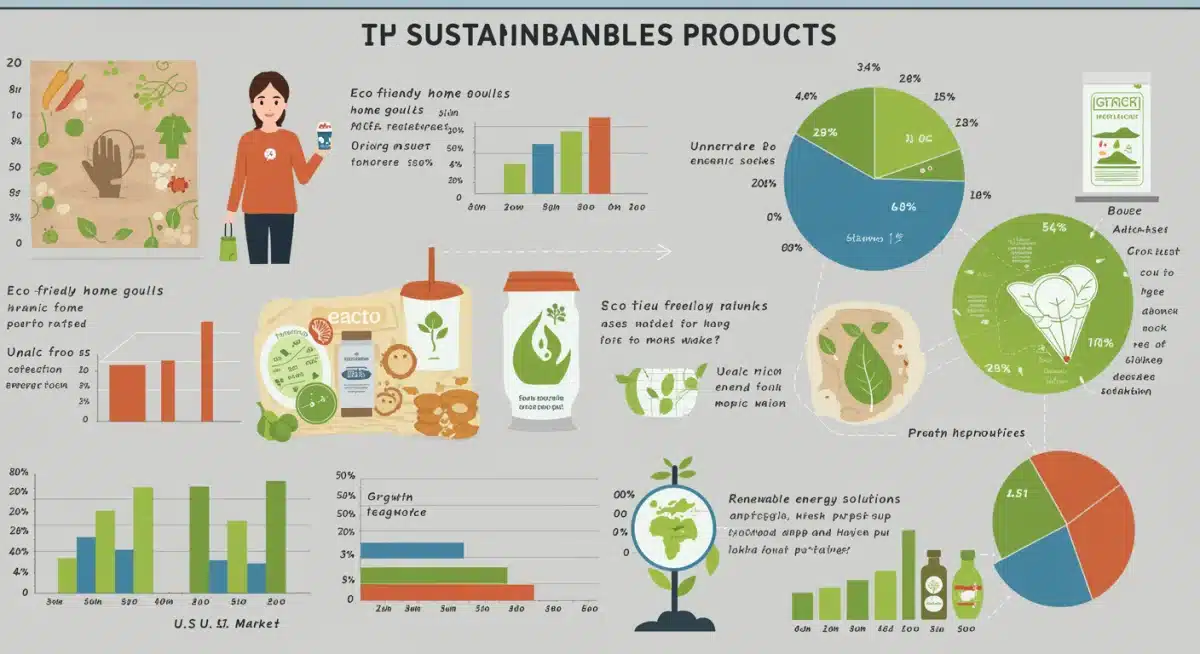
Several certifications and practices can significantly enhance a brand’s trustworthiness in the sustainable e-commerce space:
- Organic Certifications (e.g., USDA Organic): Essential for food, textiles, and personal care products claiming organic ingredients.
- Fair Trade Certification: Ensures ethical sourcing and fair wages for producers, particularly relevant for coffee, chocolate, and apparel.
- B Corp Certification: Recognizes companies meeting high standards of verified performance, accountability, and transparency on factors from employee benefits and charitable giving to supply chain practices and input materials.
- Carbon Neutral/Positive Certifications: Verifies efforts to offset or remove more carbon dioxide than produced.
- Recycled Content Verification: Important for packaging and products made from recycled materials.
Beyond formal certifications, transparent supply chains, clear communication about manufacturing processes, and honest disclosure of product ingredients are crucial. Businesses should also be prepared to share their sustainability reports and impact assessments. This level of openness helps consumers make informed decisions and fosters a sense of partnership between brand and customer.
The investment in obtaining certifications and maintaining transparent practices pays dividends in customer loyalty and brand reputation. In a market where values drive purchasing decisions, a commitment to verifiable sustainability sets businesses apart and cultivates a loyal customer base that trusts their products and their mission.
Technological Innovations Driving Sustainable E-commerce Growth
Technology is not merely a platform for e-commerce; it is a catalyst for the growth of sustainable product niches. Innovations across various fields are making it easier for businesses to operate sustainably and for consumers to discover and purchase eco-friendly goods. From supply chain optimization to personalized shopping experiences, technology is reshaping the sustainable e-commerce landscape.
These advancements streamline operations, reduce waste, and enhance the overall customer journey, further accelerating the 20% annual growth projected for sustainable products in the U.S. market. Embracing these innovations is key for competitive advantage.
Transformative Technologies and Their Impact
Several technological innovations are particularly impactful:
- Blockchain for Supply Chain Transparency: Offers immutable records of product origins, ethical sourcing, and environmental impact, combating greenwashing and building trust.
- AI and Machine Learning for Optimization: Used for demand forecasting to reduce overproduction, optimizing shipping routes to minimize carbon footprint, and personalizing product recommendations for sustainable alternatives.
- Advanced Materials Science: Development of biodegradable packaging, plant-based alternatives to traditional plastics, and innovative, sustainable textiles (e.g., mushroom leather, recycled ocean plastics).
- Augmented Reality (AR) and Virtual Reality (VR): Enhancing the online shopping experience for sustainable products by allowing customers to virtually try on ethical fashion or visualize eco-friendly home goods in their space, reducing returns and associated waste.
- Data Analytics for Impact Measurement: Tools that help businesses track and report their environmental and social impact, providing concrete data for transparency and marketing.
These technologies are not just about efficiency; they are about enabling a fundamentally more sustainable way of conducting business. For instance, AI-driven inventory management can drastically reduce textile waste in the fashion industry, while blockchain ensures that a ‘fair trade’ label genuinely represents fair practices. E-commerce platforms that integrate these innovations effectively will be well-positioned to lead the sustainable market.
The continuous evolution of technology provides an exciting frontier for sustainable e-commerce, offering new solutions to old problems and creating unprecedented opportunities for growth and positive environmental impact. Businesses must stay abreast of these developments to remain at the forefront of the market.
Challenges and Opportunities in the Sustainable Product Market
While the sustainable product market presents immense growth potential, it is not without its challenges. Businesses entering or expanding within this sector must navigate issues such as higher production costs, consumer skepticism, and the complexities of supply chain management. However, these challenges often conceal significant opportunities for innovation and differentiation.
Addressing these hurdles effectively can lead to a more resilient business model and a stronger connection with the target audience, ultimately contributing to the projected 20% annual growth for sustainable products in the U.S. e-commerce market.
Navigating the Landscape of Sustainable E-commerce
Key challenges and corresponding opportunities include:
- Higher Production Costs: Sustainable materials and ethical labor often cost more.
Opportunity: Justify premium pricing through transparent storytelling, emphasizing quality, durability, and positive impact, appealing to value-driven consumers. - Supply Chain Complexity: Sourcing sustainable materials and ensuring ethical practices across a global supply chain can be difficult.
Opportunity: Invest in blockchain and AI for supply chain transparency and efficiency, turning complexity into a competitive advantage. - Consumer Skepticism (‘Greenwashing’): Consumers are wary of false sustainability claims.
Opportunity: Obtain credible third-party certifications and maintain radical transparency in all communications, building deep trust and brand loyalty. - Limited Awareness/Education: Some consumers may not fully understand the benefits of sustainable products.
Opportunity: Educate consumers through compelling content, showcasing the long-term benefits for health, environment, and society, turning them into advocates. - Scalability Issues: Sustainable production methods may not always scale as quickly as conventional ones.
Opportunity: Innovate in manufacturing processes and collaborate with sustainable tech providers to find scalable solutions, potentially disrupting traditional industries.
Overcoming these challenges requires a strategic approach, blending innovation with a genuine commitment to sustainability. Businesses that view these hurdles as opportunities for improvement and differentiation will be better equipped to capture market share and foster long-term success. The sustainable product market rewards authenticity and perseverance.
Ultimately, the sustainable product market is a dynamic arena where ethical considerations meet economic viability. Businesses that can effectively navigate its complexities while seizing its unique opportunities are poised for significant success in the coming years, reinforcing the strong growth trajectory of this vital sector.
| Key Segment | Brief Description |
|---|---|
| Ethical Fashion | Apparel focused on organic materials, fair labor, and circular design principles. |
| Eco-Friendly Home | Non-toxic cleaning, reusable kitchenware, and energy-efficient smart home solutions. |
| Organic Food & Plant-Based | Health-conscious and ethically sourced organic produce, plant-based meals. |
| Sustainable Personal Care | Cruelty-free, natural, and refillable beauty and hygiene products. |
Frequently Asked Questions About Sustainable E-commerce
The growth is primarily driven by increasing consumer awareness of environmental and social issues, particularly among younger demographics like Millennials and Gen Z. These consumers prioritize ethical sourcing, transparency, and eco-friendly practices, influencing purchasing decisions across various product categories and driving market expansion.
High-growth niches include ethical fashion, eco-friendly home goods, organic and plant-based foods, and sustainable personal care products. These segments are expanding rapidly as consumers seek alternatives that align with their values for health, environmental protection, and social responsibility, offering significant opportunities for e-commerce businesses.
Certifications like USDA Organic, Fair Trade, and B Corp are crucial for building consumer trust and combating greenwashing. They provide verifiable proof of a brand’s sustainable and ethical claims, helping discerning customers make informed choices and fostering loyalty in a market where authenticity is highly valued.
Technology is a key enabler, offering solutions like blockchain for supply chain transparency, AI for optimizing logistics and reducing waste, and advanced materials science for innovative eco-friendly products and packaging. These innovations streamline operations and enhance the overall sustainable consumer experience online, accelerating market growth.
Challenges include higher production costs for sustainable materials, complexities in ethical supply chain management, and consumer skepticism due to greenwashing. However, these challenges also present opportunities for differentiation through transparency, innovation, and educating consumers about the true value and impact of sustainable choices.
Conclusion
The future of e-commerce market segmentation in the U.S. is undeniably green. The projected 20% annual growth for sustainable products by 2025 underscores a profound shift in consumer values and market dynamics. Businesses that prioritize authentic sustainability, leverage data-driven segmentation, embrace technological innovations, and maintain unwavering transparency will be best positioned to thrive. This evolving landscape is not just about selling products; it’s about building a brand that resonates with a conscious consumer base, contributing to both economic success and a more sustainable future.