E-commerce Logistics & Fulfillment 2025: U.S. Cost Reduction Potential
Anúncios
The U.S. e-commerce logistics and fulfillment landscape in 2025 is poised for significant transformation, driven by delivery innovations that offer up to a 7% cost reduction potential for businesses.
Anúncios
The landscape of e-commerce logistics and fulfillment in the U.S. is undergoing a rapid evolution, with 2025 shaping up to be a pivotal year. As online shopping continues its relentless growth, businesses are keenly focused on optimizing their supply chains, seeking innovative solutions that not only meet consumer demands for speed and convenience but also significantly reduce operational costs. This article delves into the transformative delivery innovations anticipated in the U.S. market and their projected up to 7% cost reduction potential.
Anúncios
The Current State of U.S. E-commerce Logistics
Understanding the future requires a firm grasp of the present. The U.S. e-commerce logistics sector in recent years has been characterized by unprecedented growth, fluctuating consumer expectations, and persistent challenges. From labor shortages to rising fuel costs, the pressures on fulfillment operations have been immense, pushing companies to rethink traditional models.
The demand for faster delivery, especially same-day and next-day options, has become a standard expectation rather than a premium service. This shift has placed immense strain on existing infrastructure and operational budgets. Furthermore, the complexity of managing returns, often referred to as reverse logistics, adds another layer of cost and intricacy to the entire process.
Key Challenges Facing U.S. E-commerce Logistics
- Rising Shipping Costs: Fuel price volatility and carrier surcharges continue to drive up delivery expenses.
- Labor Shortages: A scarcity of warehouse workers and delivery drivers impacts efficiency and increases labor costs.
- Last-Mile Delivery Complexity: The final leg of delivery is the most expensive and least efficient, often encountering urban congestion and diverse recipient demands.
- Returns Management: Handling product returns efficiently and cost-effectively remains a significant challenge for many businesses.
These challenges collectively contribute to a high operational overhead, making the pursuit of innovative, cost-saving solutions not just desirable but essential for survival and growth in the competitive e-commerce landscape. The foundational elements of current logistics systems are being stressed, paving the way for disruptive technologies and strategies.
Emerging Delivery Innovations and Technologies
The drive for efficiency and cost reduction in e-commerce logistics and fulfillment is fueling the adoption of groundbreaking innovations. These technologies are not merely incremental improvements but represent fundamental shifts in how goods are stored, moved, and delivered across the U.S.
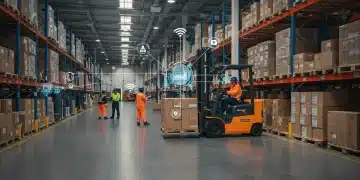
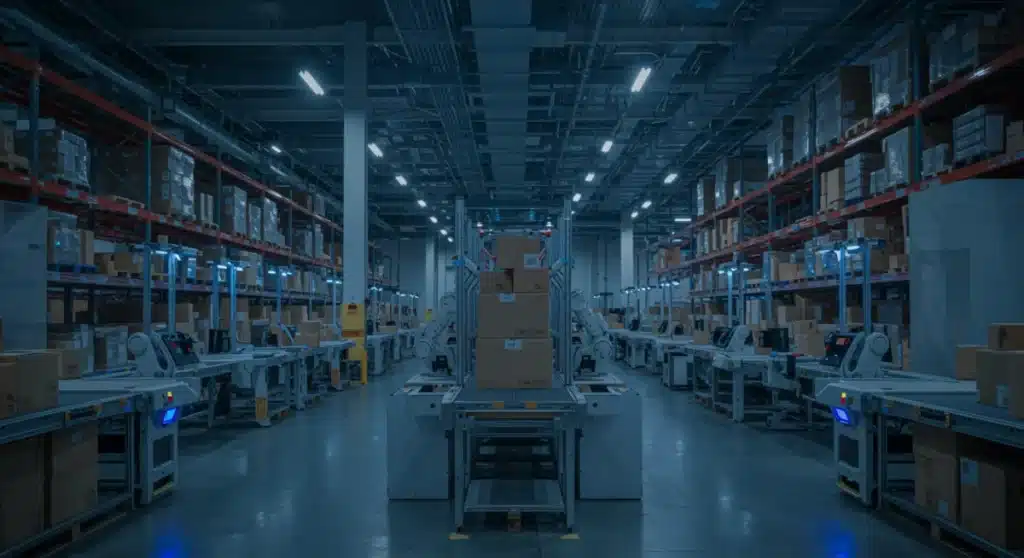
Automation within warehouses is rapidly becoming the norm. Robotic picking systems, automated guided vehicles (AGVs), and sophisticated sortation systems are reducing reliance on manual labor, speeding up processing times, and minimizing errors. This transition is critical for handling the sheer volume of orders processed daily.
Transformative Technologies in Action
- Robotics and Automation: Automated storage and retrieval systems (AS/RS) and collaborative robots (cobots) enhance picking accuracy and speed.
- Artificial Intelligence (AI) and Machine Learning (ML): Predictive analytics for demand forecasting, optimized route planning, and inventory management.
- IoT Devices: Real-time tracking of inventory and shipments, providing greater visibility and control over the supply chain.
- Blockchain: Enhancing transparency and security across the logistics network, particularly for provenance and tracking.
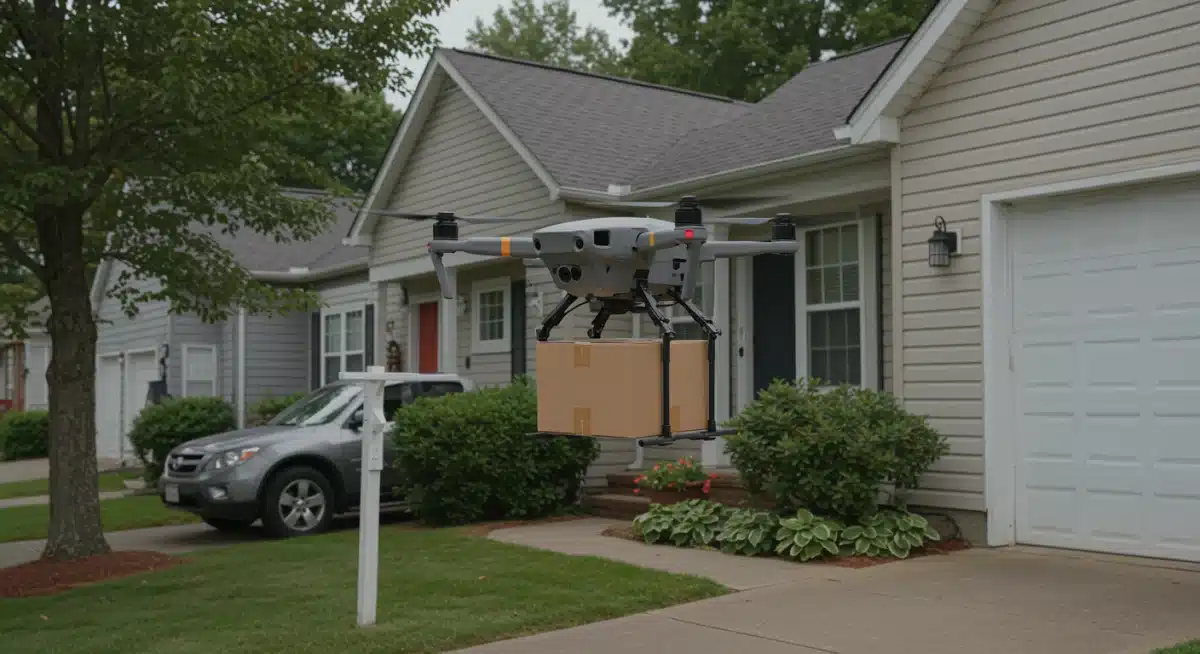
Beyond the warehouse, innovations are transforming the last mile. Drone delivery, while still in its nascent stages for widespread commercial use, shows immense promise for specific applications, particularly in rural or hard-to-reach areas. Autonomous delivery vehicles, both ground-based and aerial, are being tested to address urban delivery challenges and reduce labor costs associated with traditional delivery methods.
These technological advancements are not isolated; their true power lies in their integration. A seamless flow of data between automated warehouses, AI-driven route optimization, and real-time tracking through IoT devices creates an interconnected logistics ecosystem that is far more efficient and responsive than ever before. This integrated approach is key to unlocking the significant cost reduction potential.
Optimizing the Last Mile: A Key to Cost Reduction
The last mile, the final leg of a product’s journey from a distribution center to the customer’s doorstep, remains the most expensive and challenging aspect of e-commerce logistics and fulfillment. Its optimization is paramount for achieving the projected 7% cost reduction potential in the U.S. market by 2025.
Current last-mile operations often grapple with issues like traffic congestion, varied delivery locations, and the need for personalized service. Traditional methods involve significant fuel consumption and labor costs. Innovators are focusing on solutions that mitigate these factors while enhancing customer satisfaction.
Strategies for Last-Mile Optimization
- Route Optimization Software: AI-powered algorithms generate the most efficient delivery routes, considering traffic, weather, and delivery windows.
- Micro-Fulfillment Centers (MFCs): Smaller, strategically located warehouses closer to urban consumers reduce travel distances and delivery times.
- Crowdsourced Delivery: Leveraging a network of independent drivers for flexible and scalable delivery capacity, especially during peak seasons.
- Alternative Delivery Methods: Exploring drones, autonomous vehicles, and bicycle couriers for specific urban or suburban routes.
The adoption of micro-fulfillment centers, in particular, is gaining traction. By bringing inventory closer to the customer, businesses can reduce transportation costs and offer ultra-fast delivery options without incurring the high costs associated with large, centralized distribution hubs. This decentralized approach shortens transit times and enhances responsiveness.
Another critical element is dynamic delivery scheduling, which allows customers to choose precise delivery windows, reducing failed delivery attempts and subsequent re-delivery costs. The combination of these strategies creates a more agile, cost-effective, and customer-centric last-mile experience, directly contributing to overall cost savings.
The Role of Data Analytics and AI in Fulfillment
In the evolving landscape of e-commerce logistics and fulfillment, data analytics and artificial intelligence (AI) are no longer just buzzwords; they are indispensable tools driving efficiency and enabling the significant cost reductions targeted for 2025 in the U.S. market.
These technologies provide businesses with the ability to move beyond reactive decision-making to proactive, predictive strategies. By analyzing vast amounts of data, companies can uncover patterns, forecast demand with greater accuracy, and optimize every facet of their fulfillment operations.
AI and Data Analytics Applications
- Predictive Demand Forecasting: AI algorithms analyze historical sales data, seasonal trends, and external factors to anticipate future demand, minimizing overstocking or stockouts.
- Inventory Optimization: ML models determine optimal stock levels, placement, and replenishment strategies across multiple warehouses, reducing carrying costs.
- Dynamic Pricing and Promotions: AI can suggest optimal pricing strategies and promotional offers based on real-time market conditions and inventory levels.
- Fraud Detection: AI systems can identify fraudulent orders or returns, protecting businesses from financial losses.
Route optimization, powered by AI, considers not just distance but also real-time traffic, weather conditions, and driver availability to create the most efficient delivery paths. This minimizes fuel consumption, reduces driver hours, and improves on-time delivery rates. Furthermore, AI-driven warehouse management systems can orchestrate the movement of robots and human workers to maximize throughput.
The ability to analyze customer behavior data also allows for more personalized fulfillment options, such as preferred delivery times or locations, which can lead to higher customer satisfaction and reduced returns. Ultimately, data analytics and AI transform raw data into actionable insights, empowering businesses to make smarter, more cost-effective decisions throughout their entire fulfillment process, leading to tangible savings.
Sustainability and Green Logistics Initiatives
Beyond cost reduction, sustainability is emerging as a critical factor in e-commerce logistics and fulfillment. In the U.S. market, consumers are increasingly prioritizing environmentally friendly practices, pushing businesses to adopt green logistics initiatives. These efforts not only enhance brand reputation but can also lead to significant operational savings, aligning with the 7% cost reduction potential.
Green logistics focuses on minimizing the environmental impact of supply chain operations, from warehousing to transportation. This includes reducing carbon emissions, optimizing resource consumption, and minimizing waste throughout the entire fulfillment process.
Key Green Logistics Initiatives
- Electric Vehicle (EV) Fleets: Transitioning to electric delivery vehicles reduces fuel costs and carbon emissions, especially for last-mile deliveries.
- Optimized Packaging: Using recyclable, biodegradable, or right-sized packaging materials minimizes waste and shipping volume.
- Renewable Energy Warehouses: Powering fulfillment centers with solar or wind energy reduces operational utility costs and carbon footprint.
- Consolidated Shipping: Implementing strategies like batch shipping or smart routing to reduce the number of trips and vehicle mileage.
The adoption of electric vehicles for last-mile delivery, for instance, not only reduces greenhouse gas emissions but also offers long-term savings on fuel and maintenance compared to traditional internal combustion engine vehicles. Similarly, investing in more efficient warehouse lighting, heating, and cooling systems powered by renewable energy sources can significantly lower utility bills.
Furthermore, optimizing packaging to reduce material usage and package size can lead to lower shipping costs due to reduced weight and volumetric charges. Green logistics is not just about environmental responsibility; it’s a strategic approach that can drive both ecological benefits and economic efficiencies, making it an integral part of future e-commerce fulfillment strategies.
Achieving 7% Cost Reduction: A Holistic Approach
The ambitious goal of achieving a 7% cost reduction in e-commerce logistics and fulfillment by 2025 in the U.S. market is not attainable through a single innovation but rather through a holistic, integrated approach. This involves synergizing technological advancements, operational efficiencies, and strategic partnerships across the entire supply chain.
It’s about creating a resilient and agile fulfillment network that can adapt to market fluctuations, consumer demands, and unforeseen disruptions. This requires a continuous cycle of evaluation, implementation, and refinement of processes.
Integrated Strategies for Maximum Savings
- End-to-End Visibility: Implementing systems that provide real-time visibility across the entire supply chain, from inventory to delivery, to identify bottlenecks and inefficiencies.
- Strategic Outsourcing: Partnering with 3PLs (Third-Party Logistics providers) that specialize in advanced fulfillment technologies and can offer economies of scale.
- Continuous Process Improvement: Regularly analyzing operational data to identify areas for incremental improvements and cost savings.
- Employee Training and Development: Investing in training for staff to effectively utilize new technologies and optimize workflows.
The integration of warehouse automation with AI-driven predictive analytics, for example, can lead to more precise inventory management, reducing both holding costs and the risk of stockouts. When combined with optimized last-mile strategies, such as micro-fulfillment centers and dynamic routing, the cumulative effect on cost reduction becomes substantial.
Moreover, fostering strong relationships with suppliers and carriers can unlock better rates and more flexible service agreements. Businesses that proactively embrace these interconnected strategies will be best positioned to realize the full 7% cost reduction potential, cementing their competitive edge in the rapidly evolving U.S. e-commerce landscape. This integrated vision ensures that every component of the logistics chain contributes to overall efficiency and financial health.
| Key Aspect | Brief Description |
|---|---|
| Delivery Innovations | New technologies like robotics, AI, and drones are streamlining fulfillment. |
| Last-Mile Optimization | Strategies like MFCs and route optimization are reducing the most expensive delivery leg. |
| Cost Reduction Potential | Integrated approaches across logistics can lead to up to a 7% decrease in operational costs. |
| Sustainability Integration | Green logistics, including EV fleets and optimized packaging, offers both savings and environmental benefits. |
Frequently Asked Questions About E-commerce Logistics in 2025
The primary driver for cost reduction in U.S. e-commerce logistics by 2025 is the widespread adoption and integration of advanced delivery innovations. This includes warehouse automation, AI-driven analytics, and optimized last-mile solutions like micro-fulfillment centers and alternative delivery methods, all working in concert to streamline operations and minimize expenses.
Achieving a 7% cost reduction requires a holistic strategy. This involves investing in automation and AI, optimizing last-mile delivery with efficient routing and micro-hubs, embracing sustainable practices like EV fleets, and leveraging data analytics for predictive insights. Strategic partnerships and continuous process improvement are also crucial components for success.
AI plays a pivotal role in optimizing e-commerce fulfillment by enabling predictive demand forecasting, inventory optimization, and dynamic route planning. It helps businesses make data-driven decisions that reduce waste, improve efficiency, and lower operational costs, ultimately leading to faster and more reliable deliveries while cutting expenses.
Yes, sustainable logistics initiatives offer significant financial benefits. Adopting electric vehicle fleets reduces fuel and maintenance costs, while optimized packaging lowers shipping expenses. Furthermore, using renewable energy in warehouses decreases utility bills. These green practices not only enhance brand image but also contribute directly to cost savings and operational efficiency.
Micro-fulfillment centers (MFCs) are compact, automated warehouses strategically located in urban areas, closer to customers. They are important because they drastically reduce last-mile delivery distances and times, lowering transportation costs and enabling ultra-fast delivery options. MFCs are key to addressing consumer demand for speed while maintaining cost-effectiveness.
Conclusion
The future of e-commerce logistics and fulfillment in the U.S. by 2025 is one of dynamic transformation, driven by an imperative to balance rapid delivery with cost efficiency. The analysis reveals that a concerted effort across various innovative fronts—from advanced automation and AI to last-mile optimization and green logistics—holds the key to unlocking a significant 7% cost reduction potential. Businesses that strategically integrate these solutions will not only meet the escalating demands of the modern consumer but also secure a sustainable and profitable position in a fiercely competitive market, redefining the very essence of efficient commerce.