Decoding Gen Z’s 2025 Spending Habits for US E-commerce

Anúncios
For US e-commerce to thrive, businesses must deeply understand how Gen Z’s evolving digital fluency, social consciousness, and unique purchasing drivers are reshaping consumption patterns by 2025, demanding authentic, value-driven online experiences.
Anúncios
Are you ready to truly understand the next wave of consumers?
Decoding Gen Z’s 2025 Spending Habits: 5 Key Trends for US E-commerce Success
is no longer a theoretical exercise but an urgent imperative for businesses aiming to thrive in the digital landscape.
This generation, born roughly between 1997 and 2012, is not just tech-savvy; they are digital natives whose entire worldview
and purchasing behavior are intrinsically linked to the online realm.
Their expectations are high, their attention spans are selective, and their values profoundly influence their wallets.
Ignoring their distinct characteristics means missing out on a colossal market segment that is rapidly gaining economic power and shaping the future of retail.
Anúncios
The Digital Native Advantage: Seamless Online Experiences
Gen Z consumers have never known a world without the internet or smartphones. This inherent digital fluency translates into an expectation for seamless, intuitive, and highly personalized online shopping experiences. For them, e-commerce isn’t just an option; it’s often the default, a natural extension of their daily digital lives. Businesses that fail to meet these high standards risk being overlooked entirely, regardless of product quality.
Their comfort with technology means they navigate various platforms with ease, often simultaneously. They expect websites and apps to be fast, responsive, and aesthetically pleasing across all devices. Any friction in the user journey—slow loading times, confusing navigation, or unresponsive interfaces—is a major deterrent. This generation places a premium on efficiency and instant gratification, a direct result of growing up with information and services always at their fingertips.
Prioritizing Mobile-First Design and Speed
- Optimized for all devices: E-commerce sites must be flawlessly responsive on smartphones, tablets, and desktops. Mobile experience is paramount.
- Rapid load times: Every second counts. Sites that load slowly will see high bounce rates.
- Intuitive navigation: Clean, uncluttered design with clear calls to action.
Beyond just functionality, Gen Z also values personalization. They expect brands to understand their preferences, offer relevant recommendations, and remember their past interactions. This isn’t viewed as an invasion of privacy but rather as a convenience that enhances their shopping journey. Data-driven personalization, when executed responsibly, can significantly boost engagement and conversion rates with this demographic. The integration of AI and machine learning to tailor content and product suggestions is becoming increasingly vital.
In essence, for Gen Z, a superior online experience isn’t a bonus; it’s the baseline. E-commerce platforms must be designed with their digital-native mindset at the forefront, ensuring every interaction is effortless, engaging, and reflective of their high-tech expectations. This foundational understanding is critical before delving into other specific trends.
The Power of Authenticity and Social Proof in Purchases
Gen Z is a generation that values authenticity above almost all else. They are highly skeptical of traditional advertising and marketing messages, having grown up in an era saturated with curated content and sponsored posts. Their purchasing decisions are heavily influenced by genuine reviews, user-generated content, and recommendations from peers or trusted micro-influencers. This preference for realness profoundly impacts how brands must approach their e-commerce strategies.
Social proof, therefore, plays an outsized role. Before making a purchase, Gen Z consumers will meticulously research products, often turning to platforms like TikTok, Instagram, and YouTube, not just for product discovery but for unfiltered opinions and demonstrations. They seek out reviews from everyday users, unboxing videos, and honest testimonials rather than glossy brand advertisements. A product’s perceived popularity and positive reception within their social circles can be a more powerful motivator than any celebrity endorsement.
Leveraging User-Generated Content (UGC)
- Showcasing customer reviews: Integrate prominent review sections and encourage detailed feedback.
- Featuring customer photos/videos: Curate and display UGC on product pages and social media.
- Building community: Create spaces where customers can share experiences and interact.
Influencer marketing, while still potent, has evolved. Gen Z gravitates towards authenticity, favoring micro and nano-influencers who share their values and interests, and who genuinely use and believe in the products they promote. Overly commercialized or inauthentic partnerships are quickly identified and dismissed. Brands must seek out partnerships that feel organic and align with their target audience’s genuine interests.
Furthermore, transparency is key. Gen Z wants to know the story behind a brand and its products. They are more likely to support businesses that are open about their processes, sourcing, and values. This demand for honesty extends from product ingredients to labor practices. Brands that embrace transparency and allow their customers to be part of their narrative will build stronger, more loyal relationships with this discerning demographic. The collective trust built through these authentic interactions is invaluable.
Ethical Consumption: Values-Driven Spending
More than any preceding generation, Gen Z integrates their personal values and ethics into their purchasing decisions. They are acutely aware of global issues, from climate change to social inequality, and expect the brands they support to reflect these concerns. Ethical consumption is not a niche interest for Gen Z; it’s a fundamental aspect of their consumer identity, driving them towards brands that demonstrate a clear commitment to social responsibility and sustainability.
This means businesses must move beyond mere lip service and demonstrate tangible actions regarding environmental impact, fair labor practices, and social justice. Gen Z consumers are adept at identifying ‘greenwashing’ or performative activism. They will actively seek out brands with certifications, transparent supply chains, and genuine initiatives that align with their values. This often translates into a willingness to pay a premium for products that are ethically sourced or environmentally friendly.
Key Ethical Considerations for Brands
- Environmental sustainability: Focus on eco-friendly packaging, reduced carbon footprint, and sustainable materials.
- Social responsibility: Support fair labor practices, diversity, equity, and inclusion.
- Transparent sourcing: Be open about where products come from and how they are made.
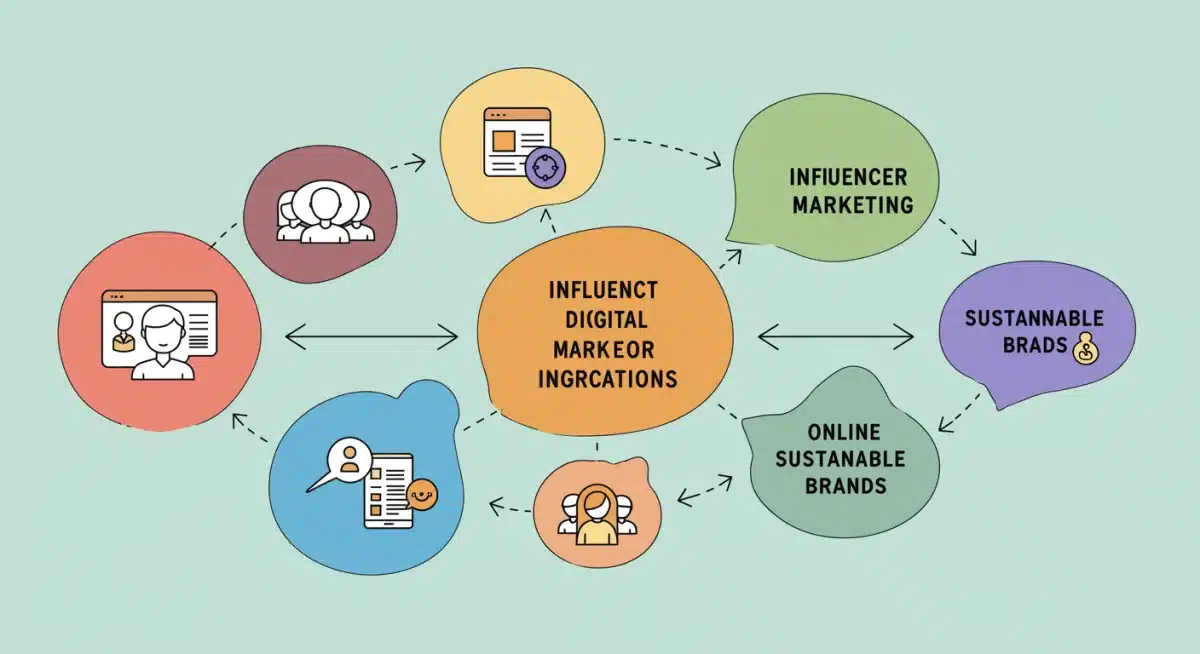
Brands that actively participate in social causes or donate a portion of their profits to charitable organizations can resonate deeply with Gen Z. However, it is crucial that these efforts are authentic and consistent, not just fleeting marketing campaigns. Gen Z looks for long-term commitment and genuine contributions to causes they care about. Their loyalty is earned through demonstrated integrity and a shared sense of purpose.
Moreover, diversity and inclusion are non-negotiable for Gen Z. They expect to see themselves and their diverse communities represented in marketing, product lines, and within the company itself. Brands that embrace inclusivity in all its forms will foster a stronger connection and gain the trust of this generation. For e-commerce businesses, integrating these ethical considerations into every facet of their operation is not just good for society, but increasingly essential for commercial success with Gen Z.
The Experience Economy: Beyond Products to Purpose
While Gen Z still buys products, their spending is increasingly directed towards experiences and brands that offer more than just a tangible item. They seek out unique, shareable experiences, whether it’s through interactive online shopping, personalized brand engagement, or products that facilitate memorable moments. This shift reflects a desire for connection, self-expression, and a life rich with meaning, rather than just material accumulation.
For e-commerce, this translates into a need to create engaging brand narratives and interactive shopping journeys. Think augmented reality (AR) try-ons, virtual events, personalized content streams, and gamified shopping experiences. These elements transform a transactional process into an immersive and entertaining activity. Brands that can seamlessly blend product offerings with unique digital or real-world experiences will capture Gen Z’s attention and loyalty.
Crafting Engaging E-commerce Experiences
- Interactive shopping: Utilize AR/VR for virtual try-ons or product demonstrations.
- Personalized content: Offer tailored recommendations and content based on browsing history.
- Community building: Create online forums or groups where customers can interact with the brand and each other.
Furthermore, Gen Z is drawn to brands that have a clear purpose beyond profit. They want to feel good about where their money is going, supporting companies that align with their values and contribute positively to the world. This doesn’t mean every brand needs to be a non-profit, but rather that articulating a mission, a vision, or a cause that resonates with this generation can be a powerful differentiator.
This generation’s desire for experiences also extends to how they interact with customer service. They expect efficient, personalized, and empathetic support across multiple channels, from social media DMs to live chat. A positive customer service experience can significantly enhance brand perception and foster loyalty, turning a simple purchase into a positive brand interaction. E-commerce businesses must recognize that every touchpoint is an opportunity to deliver an ‘experience’ that reinforces their brand’s value and purpose.
Financial Savvy and Value-Conscious Decisions
Despite their digital fluency and ethical leanings, Gen Z is also a highly financially savvy and value-conscious generation. Many have witnessed economic instability during their formative years, making them prudent spenders who seek out value, deals, and flexible payment options. This doesn’t necessarily mean they always choose the cheapest option, but rather that they demand transparency in pricing and a clear understanding of what they are getting for their money.
They are adept at finding the best deals, utilizing coupon codes, cashback apps, and price comparison tools. Flash sales, limited-time offers, and loyalty programs are particularly effective with this group, provided they offer genuine value. Businesses must be strategic in their pricing and promotions, ensuring that discounts feel authentic and beneficial, rather than manipulative.
Adapting to Gen Z’s Financial Prudence
- Flexible payment options: Offer ‘buy now, pay later’ (BNPL) services like Affirm or Klarna.
- Transparent pricing: Avoid hidden fees and clearly communicate value propositions.
- Loyalty programs: Reward repeat purchases with meaningful discounts or exclusive access.
The rise of ‘buy now, pay later’ (BNPL) services has been particularly popular with Gen Z, offering them financial flexibility and control over their spending. E-commerce platforms that integrate these payment solutions are likely to see increased conversions from this demographic. This reflects their desire for financial management tools that align with their often-limited current income and future financial goals.
Furthermore, Gen Z is less susceptible to impulse buying based purely on brand prestige. They are more likely to invest in durable, high-quality items that offer long-term value, or in experiences that enrich their lives. This critical evaluation of purchases means brands need to clearly articulate the benefits and longevity of their products, justifying the price point with tangible value rather than relying on brand image alone. Understanding their financial mindset is key to crafting compelling offers.
The Omnichannel Imperative: Blurring Online and Offline
For Gen Z, the distinction between online and offline retail is increasingly blurred. They expect a seamless, integrated experience across all touchpoints, whether they are browsing on their phone, interacting with a social media ad, or visiting a physical store. This omnichannel imperative means that e-commerce cannot exist in isolation; it must be a cohesive part of a larger, interconnected brand ecosystem.
They might discover a product on TikTok, research it on an e-commerce site, try it on in a physical store, and then complete the purchase online, or vice-versa. Each channel informs the other, and a consistent brand message and customer experience across all these touchpoints are crucial. Stock availability, pricing, and promotional offers should ideally be synchronized, preventing frustration and enhancing convenience.
Creating a Cohesive Omnichannel Strategy
- Consistent brand messaging: Ensure brand voice and visuals are uniform across all channels.
- Integrated inventory management: Real-time stock updates for both online and physical stores.
- Click-and-collect options: Provide flexibility for online purchases to be picked up in-store.
Physical stores, rather than becoming obsolete, are evolving into experiential hubs or showrooms where Gen Z can engage with products and brands in a tangible way before potentially purchasing online. These stores offer an opportunity for sensory engagement and social interaction that digital channels cannot fully replicate. E-commerce businesses should consider how physical spaces can complement their online presence, perhaps through pop-up shops or partnerships.
The ability to return or exchange items purchased online in a physical store, or to view online stock levels for local stores, are examples of the practical omnichannel functionalities that Gen Z expects. They demand flexibility and convenience, choosing the channel that best suits their needs at any given moment. For e-commerce success in 2025 and beyond, brands must adopt a holistic view of the customer journey, ensuring every channel works in harmony to create a frictionless and engaging experience for Gen Z.
| Key Trend | Impact on E-commerce |
|---|---|
| Digital Native Expectations | Demands seamless, mobile-first, and personalized online experiences. |
| Authenticity & Social Proof | Relies on UGC, genuine reviews, and trusted micro-influencers; skeptical of traditional ads. |
| Ethical Consumption | Prioritizes brands with strong commitments to sustainability, social justice, and transparency. |
| Omnichannel Integration | Expects fluid transitions and consistent experiences between online and physical channels. |
Frequently Asked Questions about Gen Z Spending
Gen Z expects highly intuitive, fast, and personalized online shopping experiences across all devices. Their comfort with technology means any friction, slow loading times, or non-responsive design can lead to immediate disengagement, making a seamless digital journey paramount for e-commerce success.
Having grown up with curated digital content, Gen Z is skeptical of traditional ads. They prioritize genuine reviews, user-generated content, and recommendations from trusted peers or micro-influencers, seeking realness and transparency from brands over polished marketing messages for their purchases.
Gen Z deeply integrates personal values into purchasing, favoring brands with strong commitments to sustainability, fair labor, and social justice. They demand tangible actions and transparency, often willing to pay more for ethically sourced products, and quickly identify and reject ‘greenwashing’ efforts.
E-commerce brands can appeal to Gen Z by creating interactive, shareable experiences, such as AR try-ons, virtual events, and gamified shopping. They also value brands with a clear purpose beyond profit, transforming transactions into meaningful engagements that resonate with their values and desire for connection.
Yes, Gen Z is very financially savvy and value-conscious, often seeking deals, using comparison tools, and favoring flexible payment options like BNPL. E-commerce businesses must offer transparent pricing, genuine promotions, and loyalty programs that provide clear, tangible value to attract and retain this discerning demographic.
Conclusion
Navigating the complex landscape of Gen Z’s spending habits in 2025 is not merely about adapting; it’s about fundamentally rethinking e-commerce strategies. This generation, with its unique blend of digital prowess, ethical consciousness, and financial prudence, demands more than just products. They seek authentic connections, seamless experiences, and brands that align with their deeply held values. By prioritizing mobile-first design, fostering genuine social proof, committing to ethical practices, crafting engaging experiences, and understanding their financial pragmatism, US e-commerce businesses can only attract but also build lasting loyalty with this pivotal consumer group. The future of online retail hinges on truly understanding and embracing the Gen Z mindset.