Computer Vision for In-Store Analytics: 2025 Roadmap
Anúncios
Retailers can achieve a 15% increase in sales floor efficiency by 2025 through the strategic implementation of computer vision retail analytics, offering practical solutions for optimizing operations and enhancing customer experiences.
Anúncios
The retail landscape is undergoing a profound transformation, driven by technological advancements that promise unprecedented insights into consumer behavior. Among these, computer vision stands out as a game-changer, offering retailers the ability to understand and optimize their physical spaces with the same precision previously reserved for e-commerce. This article explores a strategic 2025 roadmap for retailers aiming to achieve a significant 15% increase in sales floor efficiency by leveraging the power of computer vision for in-store analytics.
Anúncios
understanding the power of computer vision in retail
Computer vision, a field of artificial intelligence, enables computers to interpret and understand the visual world. In retail, this translates into actionable insights derived from video feeds, allowing stores to analyze customer movements, product interactions, and operational bottlenecks without intrusive methods. This technology moves beyond simple headcount, providing a granular view of store performance.
The core advantage lies in its ability to offer objective, continuous data collection. Unlike traditional methods such as manual observation or point-of-sale data, computer vision captures the entire customer journey within the store, from entry to exit. This comprehensive data set is crucial for identifying patterns and making informed decisions that directly impact efficiency and profitability.
from pixels to profits: how computer vision works
- Object detection: identifies customers, staff, and products within video frames.
- Tracking: follows individual or group movements throughout the store.
- Activity recognition: detects behaviors like browsing, queuing, or engaging with displays.
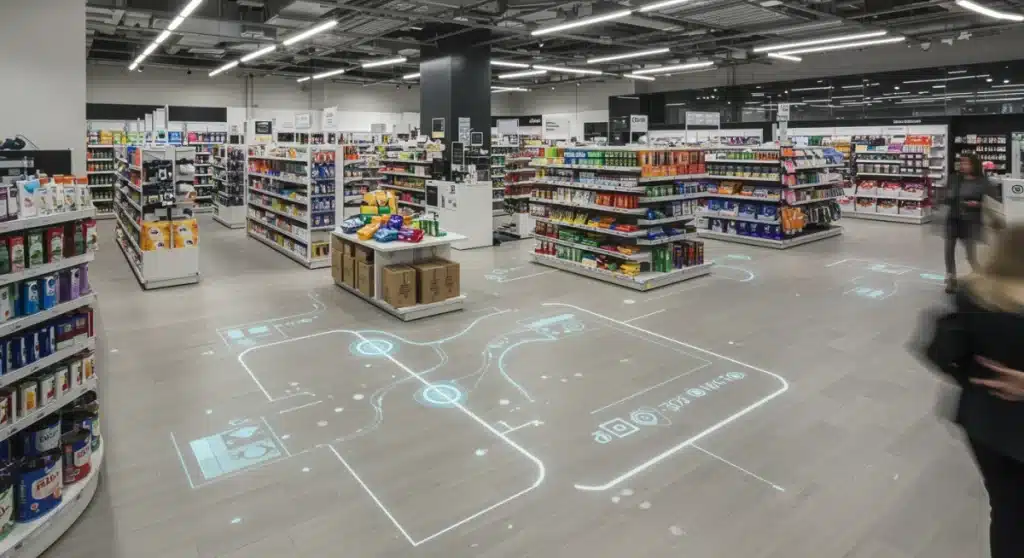
- Heat mapping: visualizes high-traffic areas and dwell times.
By processing vast amounts of visual data, computer vision systems can pinpoint areas of congestion, understaffing, or ineffective product placement. This level of detail empowers store managers to make precise adjustments that enhance the shopping experience and streamline operations. Understanding these fundamentals is the first step towards building a robust analytics strategy.
Ultimately, the power of computer vision in retail stems from its capacity to transform passive observation into active intelligence. It provides the data necessary to move from reactive problem-solving to proactive optimization, ensuring that every square foot of the sales floor is performing at its peak potential. This foundational understanding sets the stage for a strategic roadmap.
building a 2025 roadmap: key strategic pillars
To effectively implement computer vision and achieve a 15% increase in sales floor efficiency by 2025, retailers must establish a clear strategic roadmap built upon several key pillars. This involves a phased approach, starting with pilot programs and scaling up based on proven success and measurable ROI.
The initial phase should focus on identifying specific pain points within current operations that computer vision can address most effectively. This might include long checkout lines, underperforming product displays, or inefficient staff allocation. By targeting these areas first, retailers can demonstrate tangible value early on, securing buy-in for broader implementation.
strategic pillar 1: data privacy and ethical implementation
One of the most critical aspects of any computer vision deployment is ensuring data privacy and ethical considerations are at the forefront. Transparency with customers about data collection practices and strict adherence to regulations like GDPR and CCPA are paramount. Anonymization and aggregation of data should be standard practices to protect individual identities.
- Anonymization by design: implement techniques to strip personally identifiable information (PII) from data at the point of capture.
- Clear communication: inform customers about the use of in-store analytics through signage and privacy policies.
- Regulatory compliance: ensure all systems and practices meet current and future data protection laws.
Building trust with customers is non-negotiable. An ethical approach to data collection not only mitigates legal risks but also fosters a positive brand image, which is essential for long-term success. Prioritizing privacy from the outset ensures sustainable growth and avoids potential backlash.
The second strategic pillar involves integrating computer vision data with existing retail systems. This includes POS, inventory management, and CRM platforms, creating a holistic view of store performance. Such integration allows for a more comprehensive analysis, linking in-store behavior to sales outcomes and inventory levels, thereby maximizing the impact of the insights generated.
optimizing customer flow and engagement
One of the most immediate and impactful applications of computer vision in retail is the optimization of customer flow and engagement. By understanding how customers navigate the store, retailers can design more intuitive layouts and improve the overall shopping experience. This directly contributes to increased sales and efficiency.
Computer vision can identify bottlenecks, such as crowded aisles or areas where customers tend to get lost. It can also track the paths customers take, revealing popular routes and overlooked sections. Armed with this information, store planners can strategically rearrange displays, signage, and product categories to guide customers more effectively and expose them to a wider range of merchandise.
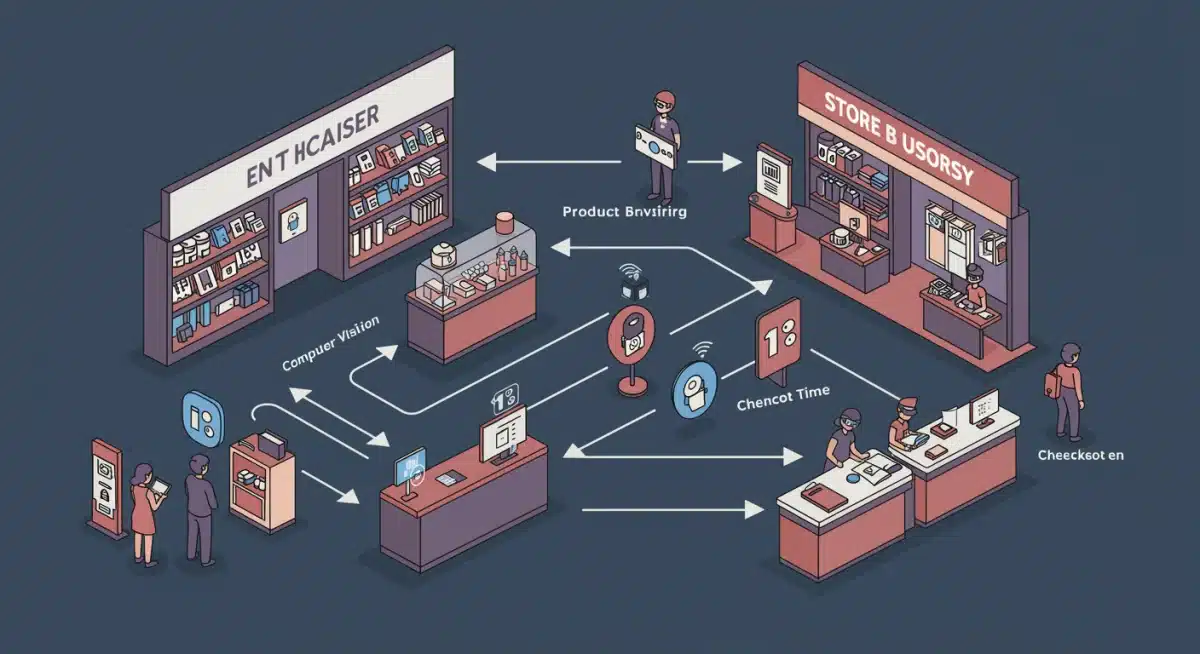
enhancing product discoverability and dwell time
Beyond simple navigation, computer vision provides insights into how customers interact with products. It can measure dwell time at specific displays, indicating product interest, and identify which products are picked up, examined, and ultimately purchased or abandoned. This data is invaluable for optimizing merchandising strategies.
- Heatmaps: reveal popular zones and cold spots within the store, guiding product placement.
- Dwell time analytics: identify displays that capture customer attention versus those that are ignored.
- Interaction tracking: understand which products customers physically engage with, even if they don’t purchase immediately.
By leveraging these insights, retailers can refine their planograms, ensuring that high-demand items are easily accessible and that promotional displays are placed in areas with maximum visibility and engagement potential. This data-driven approach to merchandising can significantly boost sales conversion rates.
Optimizing customer flow and engagement ultimately leads to a more pleasant and efficient shopping experience for the customer, while simultaneously providing retailers with the data needed to make informed decisions about store layout and product presentation. This symbiotic relationship is key to achieving the 15% efficiency target.
streamlining operations and staff efficiency
Beyond customer-facing improvements, computer vision plays a pivotal role in streamlining back-end operations and significantly boosting staff efficiency. By automating monitoring tasks and providing real-time insights into store activity, managers can allocate resources more effectively and reduce operational friction.
One primary area of impact is queue management. Computer vision systems can accurately detect the length of checkout lines and the average waiting time. This real-time data allows managers to deploy additional staff to registers precisely when needed, minimizing customer frustration and improving throughput. This proactive approach prevents long queues from forming and enhances the overall checkout experience.
optimizing staff allocation and task management
Computer vision can also monitor staff activity, not to micromanage, but to identify areas where support is most needed. For example, if a particular aisle consistently shows high customer dwell time but low staff presence, it signals an opportunity to reallocate personnel. This ensures that customers receive timely assistance, improving service quality and sales opportunities.
- Staff-to-customer ratio analysis: ensure adequate staffing levels across different store zones.
- Task efficiency monitoring: identify processes that can be optimized or automated.
- Real-time alerts: notify managers of critical situations, such as long queues or security concerns.
The ability to analyze staff movement and interactions also helps in training and development. By understanding common challenges faced by employees, retailers can tailor training programs to address specific needs, leading to a more skilled and efficient workforce. This data-driven approach transforms reactive management into a strategic, proactive one.
Ultimately, streamlining operations and improving staff efficiency through computer vision translates into tangible cost savings and increased productivity. When staff are deployed optimally and operational bottlenecks are minimized, the entire sales floor operates more smoothly, directly contributing to the ambitious 15% efficiency gain by 2025.
inventory management and loss prevention
Effective inventory management and robust loss prevention strategies are critical for retail profitability. Computer vision offers innovative solutions in both these areas, moving beyond traditional methods to provide real-time, actionable insights that reduce waste and deter theft.
For inventory, computer vision can monitor shelf stock levels automatically. Cameras can detect empty spaces or low stock on shelves, triggering alerts for replenishment. This ensures that popular products are always available, preventing lost sales due to out-of-stock situations. It also reduces the manual effort associated with stock checks, freeing up staff for more customer-facing tasks.
intelligent shelf monitoring and stock alerts
The precision of computer vision allows for detailed analysis of product placement and adherence to planograms. It can identify misplaced items or products that are not displayed according to corporate guidelines, ensuring brand consistency and optimal presentation. This level of detail helps maintain a high standard of visual merchandising.
- Automated stock detection: real-time alerts for low stock or empty shelves.
- Planogram compliance: verify product placement and display standards.
- Spoilage detection: identify perishable goods nearing their expiry date (for certain product categories).
In loss prevention, computer vision provides a powerful deterrent and investigative tool. It can identify suspicious behaviors, such as individuals attempting to conceal merchandise or linger in restricted areas. While maintaining strict privacy protocols, these systems can alert security personnel to potential threats, enabling a rapid response and significantly reducing shrinkage.
By integrating computer vision into inventory and loss prevention protocols, retailers gain a significant advantage. The ability to maintain optimal stock levels and proactively address security risks directly impacts the bottom line, contributing substantially to the overall goal of increased sales floor efficiency and profitability. This dual benefit makes it an indispensable tool for modern retail.
future trends and scalability: a long-term vision
As retailers look towards 2025 and beyond, the scalability and evolving capabilities of computer vision will be crucial for sustained growth and competitive advantage. The technology is rapidly advancing, promising even more sophisticated applications that will further redefine in-store analytics and operational efficiency.
One significant trend is the integration of computer vision with augmented reality (AR) and virtual reality (VR) technologies. This could lead to immersive shopping experiences where customers interact with products in new ways, or where staff receive real-time AR overlays providing product information or task instructions. Such integrations blur the lines between physical and digital retail, creating a truly omnichannel experience.
edge computing and advanced AI integration
The shift towards edge computing will enhance the efficiency of computer vision systems. Processing data closer to the source (e.g., directly on store cameras) reduces latency and bandwidth requirements, making real-time analytics even more robust and scalable. This is particularly important for larger retail chains with numerous locations.
- Edge processing: faster data analysis and reduced reliance on cloud infrastructure.
- Generative AI integration: personalized recommendations and dynamic store layouts based on real-time customer data.
- Predictive analytics: forecast future trends in customer behavior and operational needs.
Furthermore, the continuous development of advanced AI algorithms, including generative AI, will unlock new possibilities for personalization and predictive analytics. Imagine stores that dynamically adjust their layouts or product recommendations based on the real-time demographics and behaviors of entering customers. This level of responsiveness will dramatically enhance customer satisfaction and sales.
Embracing these future trends and planning for scalability ensures that the investment in computer vision today remains relevant and impactful tomorrow. Retailers who adopt a long-term vision for this technology will be best positioned to consistently exceed efficiency targets and lead the market in innovation. The journey to a 15% efficiency increase by 2025 is just the beginning.
| Key Aspect | Description |
|---|---|
| Customer Flow Optimization | Analyze customer paths and dwell times to optimize store layout and product placement for improved engagement. |
| Staff Efficiency & Operations | Automate queue management and optimize staff allocation based on real-time demand and activity analysis. |
| Inventory & Loss Prevention | Monitor shelf stock levels and detect suspicious activities to reduce shrinkage and prevent out-of-stocks. |
| Ethical Implementation | Prioritize data privacy and transparency to build customer trust and ensure regulatory compliance. |
frequently asked questions about computer vision in retail
Computer vision in retail analytics uses AI to interpret visual data from in-store cameras. It helps understand customer behavior, traffic patterns, and product interactions to optimize store operations and enhance the shopping experience.
By providing data on customer flow, dwell times, and staff allocation, computer vision enables targeted improvements. Optimizing layouts, reducing queue times, and ensuring product availability directly contribute to significant efficiency gains, potentially reaching 15%.
Privacy is a key concern. Retailers must prioritize anonymization of data, clearly communicate data collection practices to customers, and ensure strict compliance with privacy regulations like GDPR and CCPA to build and maintain trust.
Yes, computer vision is highly adaptable. From small boutiques to large supermarkets, the technology can be scaled to suit different store sizes and formats, providing valuable insights regardless of the retail environment or product category.
Implementation timelines vary based on store size and complexity. Pilot programs can be deployed within months, while full-scale rollouts across multiple locations may take longer. A phased approach is recommended for optimal integration and learning.
conclusion
The journey to achieving a 15% increase in sales floor efficiency by 2025 through computer vision is not merely about adopting new technology; it is about embracing a data-driven paradigm shift in retail management. By strategically implementing computer vision for in-store analytics, retailers can unlock unparalleled insights into customer behavior, optimize operational workflows, and significantly enhance both profitability and the overall shopping experience. The roadmap presented here, emphasizing ethical deployment, customer flow optimization, staff efficiency, and robust inventory management, provides a clear pathway for retailers to not only meet but exceed their efficiency goals, positioning themselves for sustained success in an increasingly competitive market.