
Anúncios
The concept of an ‘average consumer’ is officially obsolete. For decades, businesses built empires on predictable, linear purchase funnels and mass-market messaging. That entire playbook is now a relic. Today’s marketplace is driven by a radically different consumer: one who is more informed, more connected, and more ethically demanding than ever before. Brands still operating under the old rules aren’t just missing opportunities; they are actively becoming irrelevant.
This underlying shift is the result of several powerful forces converging at once. The complete integration of digital life into every transaction has turned the purchase journey into a complex web of online reviews, social discovery, and influencer validation. Simultaneously, a growing demand for corporate responsibility means that every dollar spent is now a vote for a specific set of values, from environmental sustainability to fair labor practices. The consumer is no longer a passive recipient of marketing but an active co-creator of brand identity.
Anúncios
Understanding this new landscape is not just an academic exercise—it’s a critical requirement for survival. This analysis unpacks the four seismic shifts redefining modern consumer behavior. We will explore how digital experiences now shape every purchase, why conscious consumption has become a primary economic driver, the pivot from material goods to the experience economy, and the complex, data-driven world of hyper-personalization. For any brand looking to connect authentically with its audience, this is the new blueprint.
The Digital Echo Chamber: How Online Experiences Shape Purchases
The idea of a purely “offline” purchase is now a fantasy. Every consumer decision, whether it happens in a brightly lit aisle or on a dimly lit screen, is haunted by a digital ghost. From a quick price check on a smartphone to a deep dive into YouTube reviews, the digital consumer experience precedes, surrounds, and follows nearly every transaction. This isn’t just about e-commerce; it’s about the complete fusion of our physical and digital worlds.
Anúncios
This shift isn’t subtle. Data from a recent PowerReviews study indicates that an astonishing 98% of consumers feel that reviews are an primary resource when making purchase decisions. Social media platforms have become de facto discovery engines, turning passive scrolling into active consideration. What most people miss is that this isn’t just about a star rating; it’s about the qualitative sentiment, the user-generated photos, and the video testimonials that create a multi-layered narrative around a product long before a customer ever adds it to their cart.
This constant stream of information creates a feedback loop—a digital echo chamber, if you will—where popular products gain more visibility, reinforcing their dominance.
From Browsing to Buying: The smooth Digital Journey
The modern consumer’s path to purchase is less like a straight line and more like a scavenger hunt with infinite clues. It might start with an influencer’s post on Instagram, lead to a series of blog comparisons, and culminate on a product page discovered through a targeted ad. Brands are now obsessed with eliminating friction, striving for a journey so smooth that the transition from discovery to purchase is almost subconscious. For companies trying to understand emerging online shopping trends, mapping these complex pathways is the primary challenge.
The goal is to make buying as easy as following a simple recipe. You see the finished dish (the product), you’re given the exact ingredients (the information), and the steps are so clear you can’t possibly mess it up. But with algorithms curating every suggestion and social proof validating every choice, are consumers making a decision or just following a pre-written script? The entire field of strategic digital marketing is built on refining this script.
This relentless optimization raises a difficult question for brands. As the purchase journey becomes more automated and influenced by external validation, the opportunity to build genuine, direct-to-brand loyalty diminishes. The challenge, is not just to be present across these touchpoints but to inject a unique brand perspective that can cut through the noise, a key factor in the broader evolution of e-commerce.
Conscious Consumption: Values Driving Modern Purchase Decisions
Forget everything you thought you knew about brand loyalty. While marketers obsess over digital touchpoints and conversion funnels, a deeper, more powerful shift is happening. Consumers are no longer just buying products; they are buying into value systems. Brands that dismiss this as a niche concern are actively choosing to become obsolete. This isn’t about altruism. It’s about survival.
The modern marketplace has transformed into a voting booth where every dollar spent is a ballot cast for a specific set of ethics. A recent report from the NYU Stern Center for Sustainable Business found that products marketed as sustainable grew 5.6 times faster than their conventional counterparts. The data is clear: purpose is profitable. Brands that lag are not just missing a trend; they are fundamentally misreading the core drivers of consumer behavior.
The Green Premium: Willingness to Pay for Sustainability
The idea that consumers will flock to the cheapest option is a dangerously outdated assumption. A significant segment of the market is now willing to pay what’s known as the “green premium.” This is the extra cost a consumer will bear for a product that aligns with their environmental values. According to a NielsenIQ study, an astonishing 73% of global consumers say they would definitely or probably change their consumption habits to reduce their impact on the environment.
But is this willingness to pay a durable economic force or just social signaling? The evidence points to the former. Consider the automotive industry. A consumer choosing an electric vehicle for $48,000 over a comparable gasoline model at $35,000 isn’t just buying transportation; they are making a statement about air quality, fossil fuel dependence, and technological progress. This premium isn’t a bug; it’s the central feature for an entire market segment, proving that sustainability is a primary growth vector.
Social Responsibility: Beyond the Product
Ethical considerations now extend far beyond the product’s material composition. Consumers are scrutinizing the entire corporate structure, from labor practices in the supply chain to the company’s public stance on social justice issues. A brand’s identity is no longer just its logo and its marketing copy. It’s how it treats its factory workers, the diversity of its board, and where it allocates its political donations.
This creates a brutal calculus for brands. A misstep in one area can erase decades of goodwill built on product quality. The brand’s ethical stance acts like a restaurant’s kitchen—consumers increasingly want to see inside before they order. A flashy menu and clever branding can no longer hide irresponsible sourcing or poor labor conditions. This shift is one of the most impactful emerging online shopping trends for business growth, as digital platforms make corporate behavior more visible than ever.
Transparency and Traceability Demands
What most people miss is that claims of being “ethical” or “sustainable” are now worthless without proof. Vague mission statements are being replaced by demands for radical transparency. Consumers want QR codes that trace a coffee bean back to the specific farm in Colombia or blockchain-verified records of a garment’s journey from cotton field to retail shelf. This isn’t a niche request from activists; it’s becoming a mainstream expectation.
Brands like Patagonia have built empires on this principle, providing detailed information on their supply chain and even offering repair services to extend product life—a direct counter-narrative to disposable consumerism. The underrated factor here is trust. In an era of rampant misinformation, verifiable data is the most valuable currency a brand can possess.
The market performance gap between brands that embrace this and those that don’t is widening.
| Metric | Brand A (High Ethical Stance) | Brand B (Low Ethical Stance) |
|---|---|---|
| Ethical Commitment | B Corp Certified, Fair Trade sourcing, public annual impact reports. | Vague CSR statements, history of supply chain controversies, no third-party audits. |
| Consumer Trust Score | 8.7/10 (Source: Consumer Reports Survey) | 4.2/10 (Source: Consumer Reports Survey) |
| YoY Revenue Growth | +18.3% | -2.5% |
| Gen Z/Millennial Loyalty | 68% repeat purchase rate within 12 months. | 21% repeat purchase rate within 12 months. |
This data isn’t an anomaly; it’s the new blueprint. Ignoring the demand for ethical and sustainable practices is no longer a strategic option but a direct path to market share erosion and brand irrelevance.
Users are caught in a transactional loop. They trade privacy for convenience, often without fully understanding the terms of the exchange until their data is compromised.
— Dr. Elena Vance, Digital Ethicist
| Metric | Brand A (High Ethical Stance) | Brand B (Low Ethical Stance) |
|---|---|---|
| Ethical Commitment | B Corp Certified, Fair Trade sourcing, public annual impact reports. | Vague CSR statements, history of supply chain controversies, no third-party audits. |
| Consumer Trust Score | 8.7/10 (Source: Consumer Reports Survey) | 4.2/10 (Source: Consumer Reports Survey) |
| YoY Revenue Growth | +18.3% | -2.5% |
| Gen Z/Millennial Loyalty | 68% repeat purchase rate within 12 months. | 21% repeat purchase rate within 12 months. |
The Experience Economy: Prioritizing Moments Over Material Goods
The era of product worship is over. Consumers are no longer collecting things; they are collecting memories, and brands stuck on selling features are being left behind. This basic pivot toward experience marketing is driven by a simple truth: a product can be copied, but a unique, emotional moment cannot. A frequently cited Harris Group study found that over 72% of millennials would rather spend money on an experience than on a material item. They want a story to tell, not just another object to dust.
This is where the game changes. Successful brands now act less like merchants and more like event producers. Consider the pop-up shops by brands like Glossier, which are less about transactions and more about creating an immersive, Instagram-worthy environment—a classic FOMO play. The product is almost a souvenir from the main event. What most people miss is that the true product being sold is social currency, the ability for a customer to broadcast their participation in something exclusive and fleeting.
But how do you scale something so personal? The answer lies in mastering the modern customer journey with hyper-personalization. It’s about using data to create personalized experiences that make each individual feel seen. This isn’t just about adding a name to an email; it involves creating interactive digital content or in-store events that adapt to user behavior, reflecting the complex emerging online shopping trends that prioritize individuality.
Ultimately, this shift forces a difficult question for marketers. If your brand’s success is measured in moments and memories, traditional ROI calculations based on unit sales become dangerously obsolete. The new challenge is to measure resonance and emotional impact, a far more ambiguous but infinitely more valuable metric.
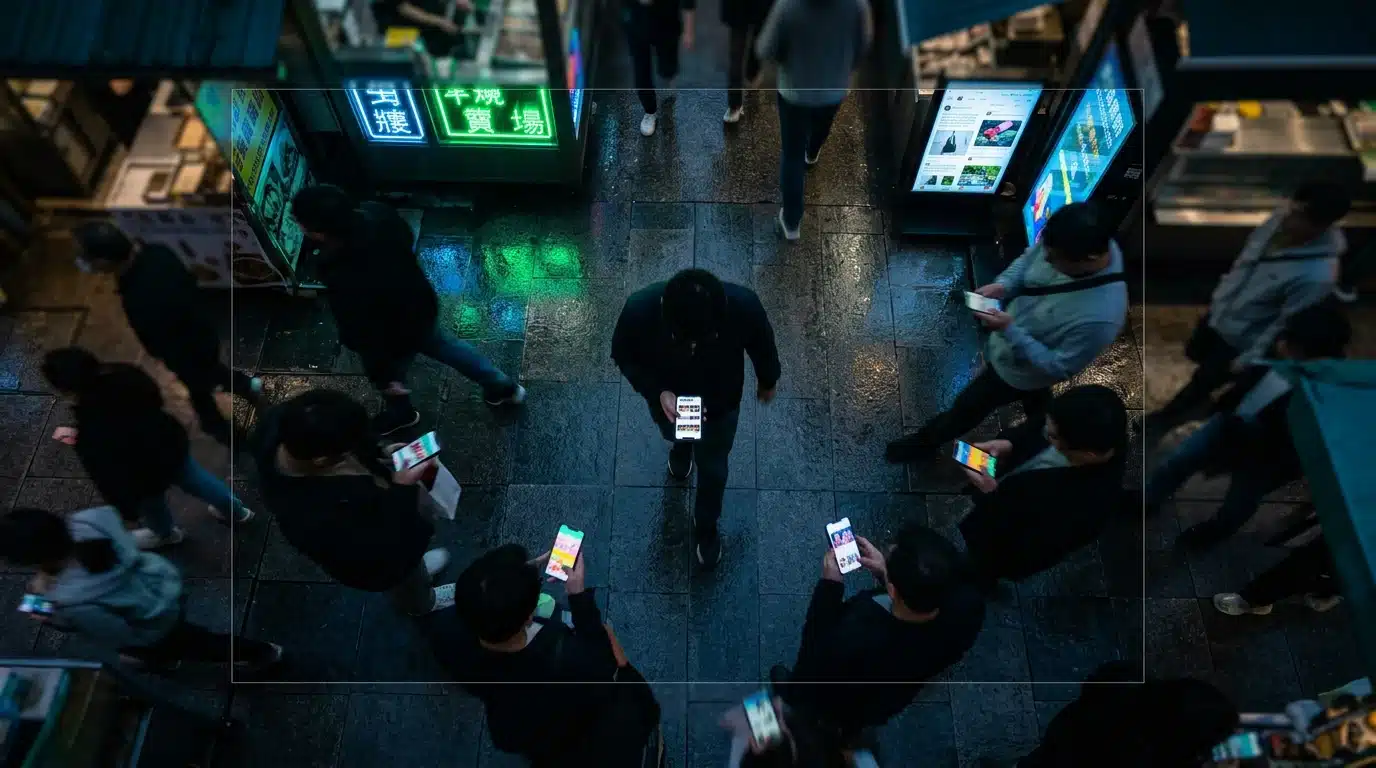
Hyper-Personalization: The Expectation of Tailored Interactions
The days of one-size-fits-all marketing are over. Today’s consumer doesn’t just appreciate a personalized experience; they demand it as the default setting for engagement. This isn’t a minor preference shift. A recent report from McKinsey reveals that 71% of consumers expect companies to deliver personalized interactions, and 76% get frustrated when this doesn’t happen. The message is clear: if you aren’t speaking directly to an individual’s needs, you aren’t really speaking to them at all.
Delivering this level of specificity is no longer about simply using a customer’s first name in an email. Brands are now deploying technical AI in retail and machine learning algorithms to analyze vast datasets in real-time. These systems track everything from purchase history and browsing behavior to dwell time on a product page. What most people miss is that this creates a predictive profile—a digital ghost, really—that anticipates what you want before you even consciously know it. This is the engine driving many latest online retail trends.
This creates an entirely new kind of customer relationship, one built on a foundation of data.
Balancing Personalization with Privacy Concerns
The aggressive pursuit of data-driven insights inevitably collides with a growing wall of consumer privacy concerns. It’s a delicate dance. Brands need data to tailor offers, but how much is too much? The process is like a conversation: providing relevant information is helpful, but listening in on someone’s private thoughts is invasive. The challenge for companies is figuring out where that line is, a line that seems to shift with every new data breach headline.
This tension creates what some analysts call the “personalization paradox.” Consumers want the convenience of hyper-relevant recommendations but are increasingly wary of the surveillance required to provide them. According to Dr. Elena Vance, a digital ethicist, “Users are caught in a transactional loop. They trade privacy for convenience, often without fully understanding the terms of the exchange until their data is compromised.” This paradox is central to many emerging online shopping trends for business growth.
For both businesses and buyers, the trade-offs are significant.
- For Brands: The primary benefit is a direct increase in conversion rates and customer loyalty. the cost of implementing and maintaining the required AI infrastructure is substantial, and the reputational risk of a data misuse incident can be catastrophic.
- For Consumers: The upside is a streamlined shopping experience with relevant offers that save time and money. The downside is the erosion of personal privacy, the potential for data manipulation, and the risk of being trapped in a “filter bubble” that limits exposure to new products or ideas.
The ultimate question is not whether personalization will continue, but who will set the rules. Will consumers gain more control over their digital footprints, or will the data economy continue its relentless push for more information?
Navigating the New Retail Landscape: Strategies for Engagement
Most brands believe they understand modern consumer behavior, yet their balance sheets tell a different story. The old playbook of siloed channels and generic marketing blasts is not just outdated; it’s actively driving customers away. True engagement in this era requires a radical rethinking of how retail operates from the ground up. It demands integration, intelligence, and a level of authenticity that can’t be faked.
Adapting is no longer optional. The strategies that follow aren’t just suggestions but survival requirements for any business that plans to be relevant in the next decade. Success hinges on executing these principles with precision.
Building a Cohesive Omnichannel Presence
Let’s be blunt: your “omnichannel strategy” is probably a mess. Having a website, an app, and a physical store doesn’t make you omnichannel; it just means you have multiple, disconnected storefronts. A genuine omnichannel strategy treats these as a single, unified experience. The data suggests most companies are failing at this—a recent report from Forrester found that a staggering 67% of brands lack a centralized customer profile that works across all touchpoints.
The customer doesn’t care about your internal departments. For them, a disjointed journey is like a terrible relay race where each runner drops the baton. When a customer adds an item to their cart on a mobile app, it must be visible on their desktop login. A return made in-store must immediately be reflected in their online purchase history. This isn’t a luxury feature; it is the absolute baseline expectation for navigating the new digital frontier of retail.
Leveraging Emerging Technologies for Insight
Collecting data is easy; deriving actionable intelligence from it is where most retailers stumble. The market is flooded with tech solutions promising to solve every problem, but simply buying software is like buying a gym membership without ever going. The underrated factor here is not the technology itself, but the strategic questions you ask of it. Are you using tools to genuinely understand customer intent or just to justify existing biases?
Many brands are sitting on mountains of data without the tools or talent to interpret it. The goal is to move from reactive analysis (what happened last quarter?) to predictive modeling (what will our top customers buy next month?). This is the underlying shift that separates market leaders from laggards.
AI-Powered Analytics
Artificial intelligence should be doing more than just populating dashboards. If your AI is merely generating reports that a junior analyst could create in Excel, you’ve wasted your investment. The real power of AI lies in its ability to identify non-obvious patterns and predict future consumer behavior with frightening accuracy. For example, a UK-based fashion retailer recently used a predictive AI model to analyze weather patterns, social media trends, and regional event schedules, reducing overstock of seasonal items by 28% and increasing sell-through rates.
This level of analysis allows for dynamic pricing, hyper-personalized recommendations, and inventory management that anticipates demand before it even materializes. It’s about using machines to see the connections that the human eye misses. These are the kinds of pioneering trends shaping digital commerce that provide a genuine competitive edge.
Fostering Community and Authenticity
“Authenticity” has become a hollow marketing buzzword. Most brand attempts at building community feel forced and transactional—a transparent ploy for more sales. What most people miss is that a real community cannot be manufactured by your marketing department. It must be cultivated by providing genuine value beyond your products.
This means creating spaces, both digital and physical, where customers can connect with each other over shared interests related to your brand. Think less about a loyalty program and more about a user-run forum, local meetups, or exclusive educational content. According to consumer psychologist Dr. Alistair Finch, “brand-built communities fail when they are treated as marketing assets instead of human ecosystems.” Building this kind of trust is a long-term investment in brand equity that pays dividends in loyalty and advocacy, driving sustainable steps to online growth.
The challenge, then, is not just to sell a product but to facilitate a connection that makes customers feel like they are part of something bigger. Are you willing to cede some control to your audience to make that happen?
The Road Ahead: From Consumer Insight to Predictive Empathy
As we’ve seen, adapting to current consumer behavior is a game of reacting to digital trails, ethical demands, and the desire for personalization. But the next frontier isn’t about reaction; it’s about anticipation. The vast datasets and AI tools currently used to tailor recommendations will soon evolve to forecast unstated needs, moving brands from providing customer service to practicing a form of predictive empathy. This means understanding the ‘why’ behind a purchase before the consumer has even fully articulated it themselves.
This shift presents a profound opportunity to create deeper, more meaningful relationships between brands and people. it also raises a critical ethical question for the coming decade: As this technology becomes more advanced, where is the line between genuinely serving a customer’s unspoken needs and engaging in refined, pre-cognitive manipulation? The future of brand loyalty may depend entirely on which side of that line businesses choose to stand.
Frequently Asked Questions
How has digital transformation impacted consumer expectations?
Digital transformation has created an ‘always-on’ consumer who demands instant access to information, smooth omnichannel experiences, and extensive social proof like reviews before making a purchase. This has dramatically raised the bar for brand responsiveness, transparency, and the overall convenience of the customer journey.
What role do ethical considerations play in modern consumer decisions?
Ethical considerations have shifted from a niche preference to a core purchasing driver for a significant market segment. Consumers increasingly ‘vote with their wallets,’ actively supporting brands that demonstrate sustainability, fair labor practices, and social responsibility, and are often willing to pay a premium for these value-aligned products.
How can businesses effectively personalize the customer experience without compromising privacy?
Businesses can strike this balance by practicing data minimalism, collecting only the information necessary to genuinely enhance the customer experience. Offering transparent privacy controls and making personalization an opt-in feature builds trust by giving consumers agency over their data, turning a potential point of friction into a collaborative relationship.
What are the key differences between traditional and modern consumer behavior?
Traditional consumer behavior was often linear, heavily influenced by mass media advertising, and prioritized price and basic quality. Modern behavior is a complex, non-linear web of digital touchpoints, shaped by peer reviews, social values, and a strong preference for personalized experiences and brand authenticity over simple product features.
How can brands measure the impact of conscious consumption trends?
Brands can measure this impact through a mix of quantitative and qualitative metrics. Key indicators include tracking the sales growth of sustainable product lines versus conventional ones, monitoring brand sentiment analysis for keywords related to ethics and sustainability, and analyzing the customer lifetime value of segments that prioritize conscious purchasing.