Securing Retail IoT Devices: Prevent 80% Data Breaches by 2025

Anúncios
Retailers must implement proactive and robust cybersecurity strategies for their IoT ecosystems to prevent 80% of data breaches by 2025, safeguarding sensitive customer and operational data.
Anúncios
In an increasingly connected world, securing retail IoT devices has become a paramount concern for businesses. The proliferation of smart sensors, POS systems, digital signage, and inventory trackers offers immense operational benefits but also introduces significant cybersecurity vulnerabilities. By 2025, the goal is ambitious yet critical: to prevent 80% of potential data breaches stemming from these interconnected devices. This guide delves into practical solutions and strategies to achieve this crucial objective, ensuring your retail operations remain secure and trustworthy.
Understanding the Retail IoT Landscape and Its Vulnerabilities
The modern retail environment is a complex tapestry woven with IoT devices. From smart shelves that track inventory in real-time to intelligent cameras that monitor customer flow, these technologies enhance efficiency and personalize experiences. However, each device represents a potential entry point for malicious actors. Understanding the diverse landscape of retail IoT and its inherent vulnerabilities is the first step toward building a resilient security posture.
Anúncios
Many IoT devices are designed for convenience and cost-effectiveness, often overlooking robust security features during their development. This can lead to default passwords, unpatched firmware, and insecure communication protocols, making them prime targets for cyberattacks. The sheer volume and variety of these devices further complicate security management, creating a vast attack surface that requires continuous vigilance.
Common IoT Device Types in Retail
- Point-of-Sale (POS) Systems: Handling sensitive payment and customer data.
- Inventory Management Sensors: Tracking stock levels and movement.
- Digital Signage & Kiosks: Engaging customers and providing information.
- Smart HVAC & Lighting: Optimizing energy consumption.
- Security Cameras & Access Control: Monitoring premises and ensuring safety.
The interconnected nature means a compromise in one device can potentially cascade across the entire network, leading to widespread data exposure or operational disruption. Therefore, a holistic approach to security, considering every link in the IoT chain, is indispensable for safeguarding retail assets.
Implementing a Zero-Trust Security Model for Retail IoT
The traditional perimeter-based security model is no longer sufficient for the dynamic and distributed nature of retail IoT. A zero-trust security model, which assumes no device or user can be implicitly trusted, regardless of their location, offers a more robust framework. This approach mandates strict verification for every access attempt, significantly reducing the risk of unauthorized entry and lateral movement within the network.
Adopting zero-trust principles involves continuous authentication, authorization, and validation of every device and user attempting to connect to the retail network. It moves beyond simply verifying who is trying to access a resource and instead focuses on what they are trying to access, why, and under what conditions. This granular control is crucial for preventing breaches in environments with numerous IoT endpoints.
Key Principles of Zero-Trust for IoT
- Never Trust, Always Verify: Every device and user must be authenticated and authorized.
- Least Privilege Access: Grant only the minimum necessary access rights.
- Microsegmentation: Isolate network segments to limit lateral movement.
- Continuous Monitoring: Real-time analysis of all network traffic and device behavior.
By implementing a zero-trust architecture, retailers can establish a more secure foundation for their IoT ecosystem, making it significantly harder for attackers to exploit vulnerabilities and move undetected through the network. This proactive stance is essential for preventing the vast majority of potential data breaches.
Robust Device Authentication and Access Control
One of the most critical aspects of securing retail IoT devices is ensuring that only authorized devices and users can access the network and its resources. Weak authentication mechanisms are a primary vector for attacks. Implementing strong, multi-factor authentication (MFA) and granular access control policies is paramount to establishing a secure IoT environment.
Beyond simple passwords, which are often factory defaults or easily guessed, retailers must enforce robust authentication protocols. This includes unique device identities, certificate-based authentication, and hardware-level security measures. Every device connecting to the network should have a distinct identity and its access privileges should be strictly defined based on its role and function.
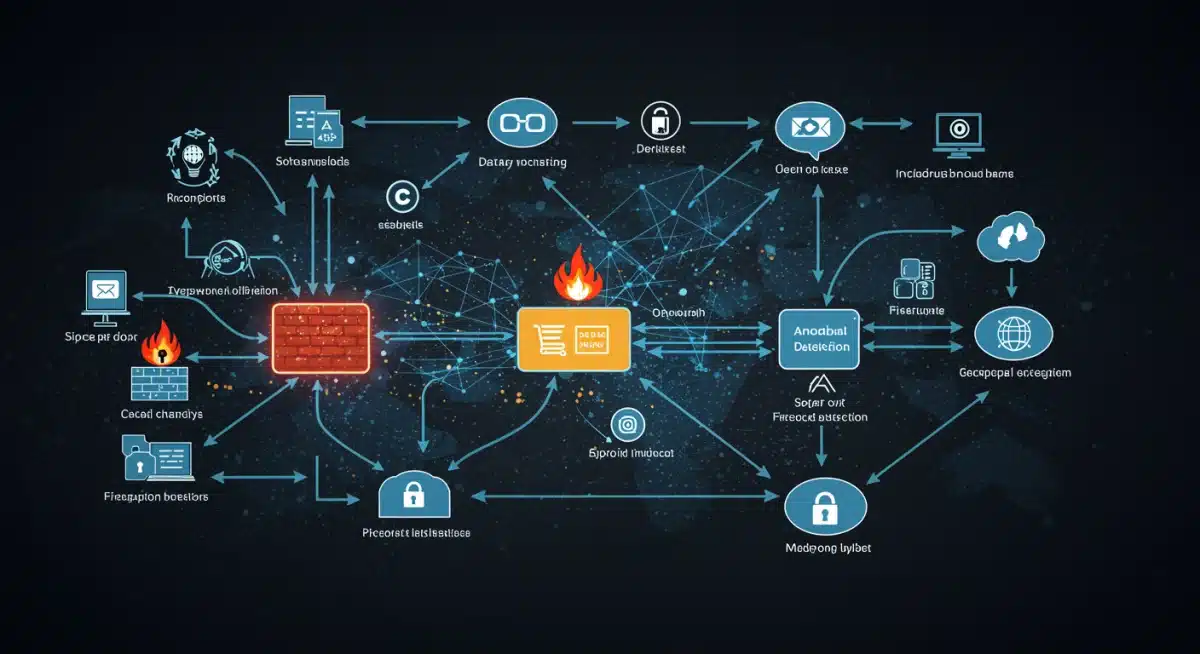

Access control lists (ACLs) and role-based access control (RBAC) should be meticulously configured to ensure that devices can only communicate with necessary systems and perform authorized actions. Any attempt to deviate from these predefined rules should trigger an immediate alert and investigation. This level of control minimizes the impact of a compromised device.
Advanced Authentication Strategies
- Multi-Factor Authentication (MFA): Combining two or more verification methods.
- Certificate-Based Authentication: Using digital certificates for device identity verification.
- Hardware Root of Trust: Embedding security features directly into device hardware.
- Behavioral Analytics: Detecting anomalous device behavior for suspicious activity.
Strong authentication and precise access control are foundational elements that significantly reduce the risk of unauthorized access, thereby preventing a large percentage of data breaches before they can even begin.
Continuous Monitoring, Threat Detection, and Incident Response
Even with robust preventative measures, no system is entirely impervious to attack. Therefore, continuous monitoring, advanced threat detection, and a well-defined incident response plan are essential components of any comprehensive retail IoT security strategy. The ability to quickly identify, contain, and remediate security incidents minimizes their impact and prevents widespread data compromise.
Retailers need to deploy security information and event management (SIEM) systems and security orchestration, automation, and response (SOAR) platforms tailored for IoT environments. These tools aggregate security logs, analyze network traffic for anomalies, and automate responses to known threats. Early detection is key to preventing a minor incident from escalating into a major data breach.
Elements of an Effective Monitoring and Response Plan
- Real-time Anomaly Detection: Identifying unusual patterns in device behavior or network traffic.
- Centralized Logging: Collecting and analyzing logs from all IoT devices.
- Automated Threat Intelligence: Integrating with threat feeds to stay ahead of new vulnerabilities.
- Pre-defined Incident Response Playbooks: Clear steps for handling various security incidents.
A proactive incident response plan includes not only technical steps for containment and recovery but also communication protocols for notifying stakeholders and, if necessary, regulatory bodies. Regular drills and simulations help ensure that the response team is prepared to act swiftly and effectively when a real incident occurs, significantly reducing the window of vulnerability.
Secure Software Development and Patch Management
Many IoT vulnerabilities stem from insecure software development practices and inadequate patch management. To prevent 80% of data breaches, retailers must demand secure-by-design principles from their IoT vendors and establish rigorous internal processes for software updates and vulnerability patching. Unpatched devices are low-hanging fruit for attackers, and a consistent patch management strategy is non-negotiable.
Retailers should work closely with their IoT device manufacturers to ensure that security is embedded throughout the product lifecycle, from design to deployment. This includes secure coding practices, regular security audits, and transparent vulnerability reporting. For existing devices, a systematic approach to firmware and software updates is crucial to address newly discovered threats and vulnerabilities.
Best Practices for Software Security and Patching
Implementing a comprehensive patch management system involves several steps. Firstly, retailers need to maintain an accurate inventory of all IoT devices, their software versions, and their patch status. Secondly, they must subscribe to vendor security advisories and promptly apply available patches. Thirdly, a testing environment should be used to validate patches before widespread deployment to avoid operational disruptions.
Furthermore, devices that cannot be patched or are nearing end-of-life should be isolated or replaced. Ignoring end-of-life devices creates significant security gaps that can be easily exploited. A proactive approach to managing the software lifecycle of IoT devices is fundamental to maintaining a strong security posture against evolving cyber threats.
Employee Training and Security Awareness
Technology alone cannot secure an IoT ecosystem; human factors play a significant role in cybersecurity. Employees, from store associates to IT staff, are often the first line of defense, but they can also be the weakest link if not properly trained. Comprehensive security awareness programs are crucial to educate staff on best practices, identify phishing attempts, and understand their role in protecting retail IoT devices.
Training should cover a range of topics, including the importance of strong, unique passwords, recognizing suspicious emails or links, proper handling of IoT devices, and reporting unusual activity. It’s not enough to conduct annual training; security awareness should be an ongoing process with regular refreshers and updates, especially as new threats emerge or new IoT devices are introduced.
Essential Training Topics for Retail Staff
- Phishing and Social Engineering: How to recognize and report deceptive attempts.
- Physical Security of Devices: Protecting devices from tampering or theft.
- Password Hygiene: Creating strong, unique passwords and using password managers.
- Responsible Device Usage: Adhering to company policies for IoT device interaction.
- Incident Reporting: Knowing who and how to report potential security issues.
By fostering a culture of security awareness, retailers can empower their employees to be vigilant guardians of the IoT environment. A well-informed workforce acts as an additional layer of defense, significantly reducing the likelihood of human-error-induced data breaches and contributing immensely to the overall goal of preventing 80% of potential data breaches by 2025.
| Key Security Measure | Brief Description |
|---|---|
| Zero-Trust Model | Assumes no implicit trust; verifies every access attempt for all devices and users. |
| Strong Authentication | Implements MFA, unique device IDs, and certificate-based access for IoT devices. |
| Continuous Monitoring | Real-time threat detection, anomaly analysis, and automated incident response. |
| Employee Training | Educating staff on cybersecurity best practices and threat recognition. |
Frequently Asked Questions About Retail IoT Security
Retail IoT devices handle vast amounts of sensitive data, from customer payment information to inventory levels. A breach can lead to significant financial losses, reputational damage, and legal penalties. As more devices connect, the attack surface expands, making robust security essential to protect both the business and its customers.
A zero-trust model assumes no device or user can be implicitly trusted, regardless of location. For retail IoT, this means every connection attempt, whether internal or external, must be authenticated and authorized. This minimizes the risk of unauthorized access and lateral movement within the network, even if a device is compromised.
Preventing vulnerabilities involves several steps: enforcing strong, unique passwords, regularly applying firmware updates, using secure configurations, segmenting networks to isolate devices, and implementing multi-factor authentication. Retailers should also choose vendors with a strong commitment to security-by-design principles.
Employees are a crucial line of defense. Proper training on cybersecurity best practices, recognizing phishing attempts, and understanding the secure handling of IoT devices can significantly reduce human-error-related breaches. An informed workforce contributes to a stronger overall security posture and helps identify potential threats early.
An effective incident response plan for retail IoT should include clear steps for detection, containment, eradication, recovery, and post-incident analysis. It must also define communication protocols for internal teams, customers, and regulatory bodies, along with regular testing through drills to ensure preparedness and minimize breach impact.
Conclusion
Achieving the ambitious goal of preventing 80% of potential data breaches in retail IoT by 2025 demands a multi-faceted and proactive approach. By embracing a zero-trust security model, implementing robust authentication and access controls, prioritizing continuous monitoring and incident response, ensuring secure software development and patch management, and investing in comprehensive employee training, retailers can significantly fortify their digital defenses. The future of retail relies heavily on the secure integration of IoT, making these practical solutions not just recommendations, but essential investments for sustained growth and customer trust in an increasingly interconnected world.