Smart Shelf ROI: 20% Return for US Retailers in 18 Months
Anúncios
US retailers can achieve a significant 20% return on investment within 18 months by strategically implementing smart shelf technology, revolutionizing inventory management, operational efficiency, and customer engagement for substantial financial gains.
Anúncios
In today’s highly competitive retail landscape, US retailers are constantly seeking innovative solutions to boost profitability and operational efficiency. One such transformative technology gaining significant traction is the implementation of smart shelves. This article explores how embracing smart shelf ROI can realistically deliver a 20% return on investment within 18 months, detailing the profound financial impacts and strategic advantages for businesses.
Anúncios
understanding smart shelf technology
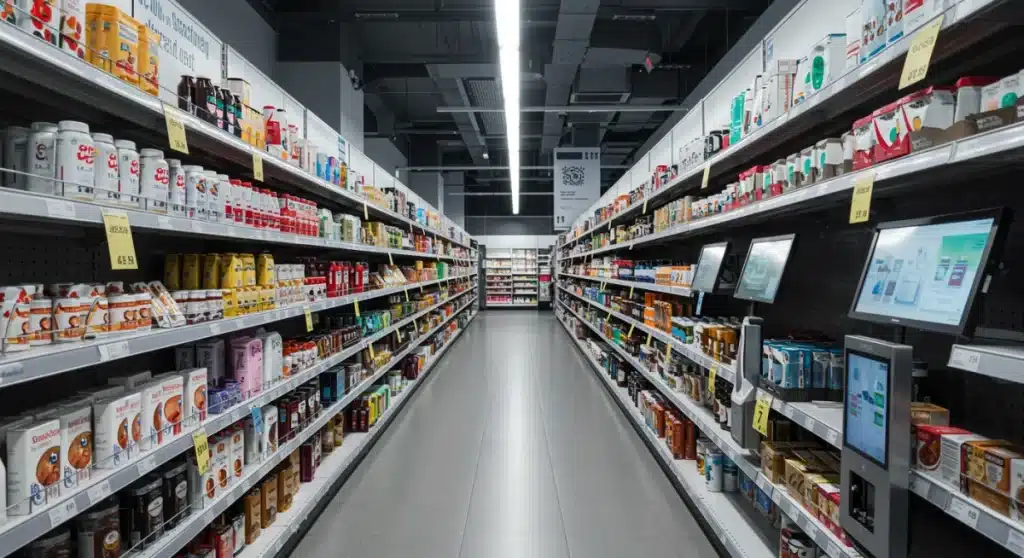
Smart shelf technology represents a significant leap forward from traditional shelving systems, integrating sensors, RFID, IoT devices, and data analytics to provide real-time insights into product availability, placement, and customer interaction. These intelligent systems are designed to automate many of the manual tasks associated with inventory management, thereby freeing up staff and reducing errors.
The core principle behind smart shelves lies in their ability to collect and transmit data continuously. This data can range from simple stock counts to more complex metrics like product dwell time, customer engagement patterns, and even environmental conditions on the shelf. Retailers can then leverage this information to make informed decisions, optimize operations, and enhance the overall shopping experience.
the components of smart shelves
- Sensors: Weight sensors, infrared sensors, and RFID readers detect product presence and movement.
- Connectivity: Wi-Fi, Bluetooth, and cellular networks enable data transmission to a central system.
- Software Platform: A robust backend system processes and analyzes the collected data, providing actionable insights.
- Digital Displays: E-ink labels and small screens can dynamically update pricing, promotions, and product information.
By understanding these foundational components, retailers can better appreciate the comprehensive capabilities smart shelves offer. The integration of hardware and software creates a dynamic system capable of responding to store conditions and customer behavior in real-time, moving beyond static inventory management to a proactive retail strategy.
Ultimately, smart shelf technology is not just about counting items; it’s about creating a more intelligent, responsive, and efficient retail environment. This foundational understanding is crucial for appreciating the significant ROI potential these systems offer.
quantifying the 20% roi: a financial breakdown
Achieving a 20% ROI within 18 months with smart shelves is not merely an aspirational goal; it’s an achievable financial reality for US retailers who strategically implement these systems. The return on investment stems from a combination of direct cost savings, increased sales, and enhanced operational efficiencies that directly impact the bottom line.
The financial impact begins with a reduction in labor costs. Manual inventory checks, stock replenishment, and price changes consume significant staff hours. Smart shelves automate these processes, allowing employees to focus on customer service or more complex tasks, leading to higher productivity and reduced payroll expenses.
key financial drivers of roi
- Reduced Stockouts: Real-time inventory data prevents empty shelves, ensuring products are always available, which directly translates to lost sales recovery.
- Optimized Inventory Levels: Accurate data helps minimize overstocking and understocking, reducing carrying costs and preventing markdowns of slow-moving inventory.
- Improved Pricing Accuracy: Digital price tags instantly update, eliminating pricing discrepancies and improving customer trust while preventing revenue loss from incorrect manual updates.
Beyond these direct savings, smart shelves contribute to increased sales through enhanced customer experience. Shoppers are less likely to abandon purchases due to out-of-stock items or incorrect pricing. The ability to quickly locate products and access detailed information via digital displays also fosters a more satisfying shopping journey, encouraging repeat business and higher basket sizes.
calculating the roi: a simplified model
Consider a retailer investing $100,000 in smart shelf technology. Within 18 months, the combined savings from reduced stockouts, optimized inventory, and labor efficiencies could easily amount to $15,000 to $20,000. Additionally, increased sales from improved product availability and customer satisfaction could add another $5,000 to $10,000 in gross profit. This conservative estimate quickly brings the net financial benefit to a significant figure, demonstrating how a 20% ROI is well within reach, often exceeding initial projections due to compounding positive effects.
The financial breakdown clearly illustrates that the investment in smart shelf technology is not just an expense but a strategic move that yields tangible and measurable returns, making the 20% ROI within 18 months a compelling proposition for any forward-thinking retailer.
operational efficiency: streamlining retail processes
Operational efficiency is a cornerstone of profitability in retail, and smart shelf technology is a powerful catalyst for streamlining various store processes. By automating data collection and providing real-time insights, these systems significantly reduce the time and effort traditionally spent on manual tasks, allowing for a more agile and responsive retail operation.
One of the most immediate impacts is on inventory management. Traditional methods often involve periodic manual counts, which are time-consuming and prone to human error. Smart shelves, with their integrated sensors and RFID technology, continuously monitor stock levels, providing an accurate, up-to-the-minute view of what’s on the shelf and what needs replenishment. This automation drastically cuts down on labor hours and improves data reliability.
impact on labor and task allocation
With smart shelves handling routine inventory checks, store associates can reallocate their time to more value-added activities. Instead of searching for misplaced items or manually updating prices, they can focus on assisting customers, merchandising, or executing targeted promotions. This shift not only improves staff productivity but also enhances job satisfaction by reducing repetitive, mundane tasks.
- Reduced manual counts: Eliminates the need for frequent physical inventory checks.
- Automated replenishment alerts: Triggers notifications for low stock, preventing empty shelves.
- Faster price changes: Digital labels update instantly, saving hours of manual label printing and placement.
- Optimized product placement: Data on product movement helps identify optimal shelf positions.
The ability to have real-time visibility into inventory also drastically improves order fulfillment, especially for omnichannel retailers. Knowing exactly what’s in stock on the sales floor versus the backroom allows for more accurate online order processing and faster in-store pickups, leading to higher customer satisfaction and fewer order cancellations.
In essence, smart shelves transform store operations from reactive to proactive. They provide the necessary data and automation to anticipate needs, respond quickly to changes, and maintain a consistently efficient and well-stocked retail environment, all contributing to the overall smart shelf ROI.
enhancing customer experience and sales growth
Beyond the internal efficiencies, smart shelves play a pivotal role in elevating the customer experience, which directly translates into increased sales and stronger brand loyalty. In an era where shoppers expect seamless and informed interactions, smart shelves deliver on these expectations by providing immediate access to information and ensuring product availability.
Imagine a customer scanning a product’s digital tag with their smartphone to instantly access nutritional information, customer reviews, or even pairing suggestions. This level of interactive engagement enriches the shopping journey, making it more informative and personalized. When customers feel empowered with information, their confidence in their purchase decisions increases.
direct sales drivers from smart shelves
- Reduced Abandoned Carts: By minimizing stockouts, customers are less likely to leave a store without their desired items.
- Personalized Offers: Some smart shelf systems can integrate with loyalty programs to display personalized promotions to specific customers.
- Improved Product Discovery: Digital displays can highlight new arrivals or complementary products, encouraging impulse buys and cross-selling.
The immediate availability of products is perhaps the most critical factor. Nothing frustrates a customer more than finding an empty shelf for an item they intended to purchase. Smart shelves virtually eliminate this issue by ensuring timely replenishment, guaranteeing that products are always where they should be, ready for purchase.
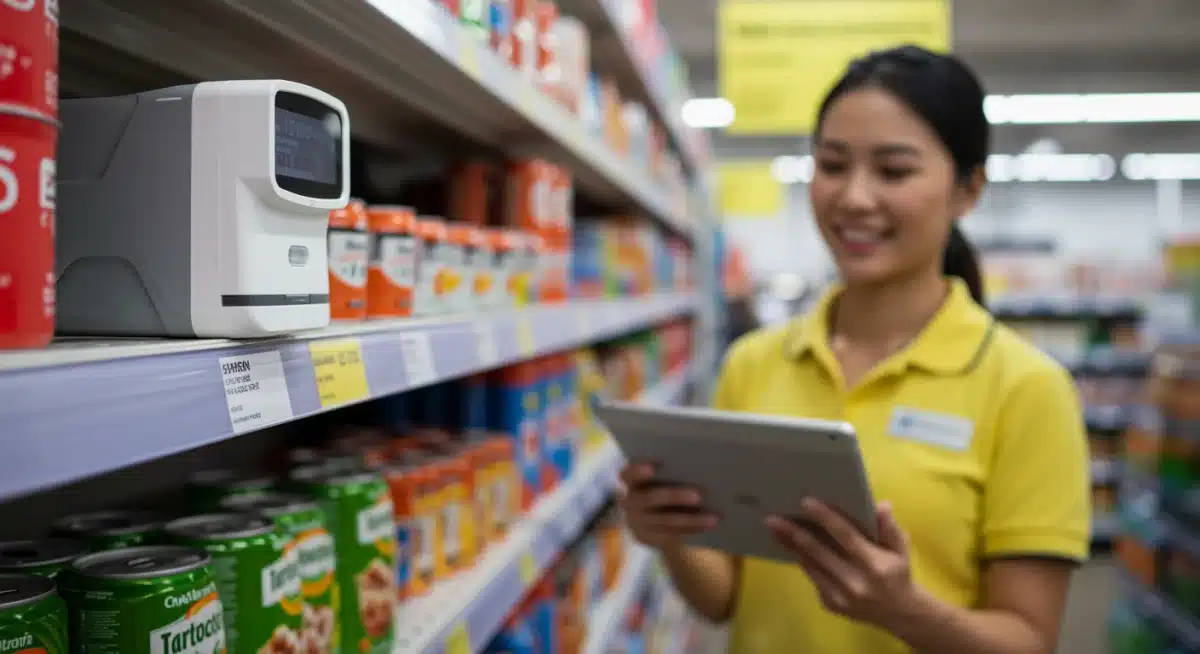
Furthermore, smart shelves can provide data on customer interactions, such as how long a product is handled or which items are frequently picked up and then put back. These insights are invaluable for optimizing store layouts and merchandising strategies, ensuring that the most appealing products are placed in high-visibility areas, further driving sales.
By creating a more informed, engaging, and frustration-free shopping environment, smart shelves directly contribute to higher sales volumes and foster a stronger relationship between the customer and the brand. This enhanced customer experience is a significant component of the overall smart shelf ROI, driving both immediate revenue and long-term loyalty.
implementation strategies for us retailers
Successful implementation of smart shelf technology requires a strategic approach, moving beyond simply installing hardware to integrating these systems seamlessly into existing retail operations. For US retailers, a phased rollout combined with robust data analysis and staff training is key to maximizing the smart shelf ROI.
The first step involves a thorough assessment of current inventory management challenges and identifying specific areas where smart shelves can deliver the most immediate impact. This might include high-turnover product categories, items prone to theft, or sections with historically poor inventory accuracy. Starting with targeted implementations allows retailers to test the technology, gather initial data, and refine their strategy before a broader rollout.
key steps for effective implementation
A well-defined plan ensures that the technology integrates smoothly and delivers on its promise. This includes:
- Pilot Program: Begin with a small section or store to gather data and identify potential issues.
- Vendor Selection: Choose a smart shelf provider with proven technology, strong support, and scalability.
- Data Integration: Ensure seamless integration with existing POS, ERP, and inventory management systems.
- Staff Training: Educate employees on how to interact with the new system, interpret data, and leverage its capabilities.
- Performance Monitoring: Continuously track key metrics to measure ROI and identify areas for optimization.
Data integration is particularly critical. For smart shelves to be truly effective, the data they collect must flow effortlessly into a retailer’s central systems, providing a holistic view of operations. This allows for automated reordering, dynamic pricing adjustments, and more accurate sales forecasting.
Moreover, investing in comprehensive staff training is paramount. Even the most advanced technology is only as good as the people using it. Empowering employees with the knowledge and skills to leverage smart shelf data will unlock its full potential, transforming them from passive observers to active participants in optimizing store performance.
By carefully planning and executing these implementation strategies, US retailers can ensure a smooth transition to smart shelf technology, setting the stage for significant operational improvements and a strong return on their investment.
overcoming challenges and maximizing benefits
While the benefits of smart shelves are substantial, retailers must be prepared to address potential challenges during implementation and ongoing operation to fully realize the promised smart shelf ROI. Proactive planning and a clear understanding of these hurdles can transform them into opportunities for optimization.
One common challenge is the initial capital investment. Smart shelf technology, particularly for large-scale deployments, can represent a significant upfront cost. Retailers must conduct a thorough cost-benefit analysis, focusing on the long-term savings and revenue gains to justify this investment. Exploring financing options or phased rollouts can also help manage the financial burden.
addressing common implementation hurdles
- Integration Complexity: Ensuring compatibility with existing legacy systems requires careful planning and potentially custom API development.
- Data Overload: Managing and interpreting the vast amounts of data generated by smart shelves requires robust analytics tools and trained personnel.
- Technical Support: Reliable vendor support is crucial for troubleshooting hardware and software issues promptly.
- Staff Adoption: Overcoming resistance to new technology through comprehensive training and demonstrating clear benefits to employees.
Another challenge lies in data management and analysis. Smart shelves generate a wealth of information, and without the right tools and expertise, retailers can quickly become overwhelmed. Investing in robust analytics platforms and training staff to interpret data effectively is essential for extracting actionable insights and making data-driven decisions.
Furthermore, maintaining the hardware and software components of smart shelves requires ongoing attention. Regular maintenance, software updates, and prompt resolution of technical issues are critical to ensuring the system operates flawlessly and continues to deliver value. Establishing a strong partnership with the technology provider for support and maintenance is highly advisable.
By anticipating these challenges and developing proactive strategies to overcome them, US retailers can ensure a smoother implementation process and maximize the long-term benefits of their smart shelf investment, securing a strong and sustainable return.
the future of retail: smart shelves as a standard
The trajectory of retail technology strongly suggests that smart shelves are not a passing trend but rather a foundational element of the future retail environment. As consumer expectations for seamless, personalized, and efficient shopping experiences continue to evolve, smart shelves will transition from a competitive advantage to a standard operational requirement for US retailers aiming for long-term success and sustained smart shelf ROI.
The ongoing advancements in sensor technology, artificial intelligence, and IoT connectivity will further enhance the capabilities of smart shelves. We can anticipate even more sophisticated data collection, predictive analytics, and personalized customer interactions. Imagine shelves that not only detect low stock but also anticipate demand based on external factors like local events or weather patterns, automatically adjusting orders and pricing.
emerging trends and capabilities
- AI-Powered Insights: Deeper analysis of customer behavior and purchasing patterns to optimize product placement and promotions.
- Enhanced Personalization: More precise targeting of offers and information to individual shoppers.
- Supply Chain Integration: Tighter links with suppliers for truly automated, demand-driven replenishment.
- Sustainability Monitoring: Tracking product expiration dates and reducing waste through intelligent inventory rotation.
The integration of smart shelves with other emerging retail technologies, such as robotics for automated inventory auditing and augmented reality for interactive product displays, will create hyper-efficient and engaging store environments. Retailers who embrace this integrated approach will be best positioned to meet the demands of the modern consumer and maintain a competitive edge.
Ultimately, smart shelves represent an investment in the future resilience and profitability of retail. They empower businesses to operate with unprecedented levels of efficiency, responsiveness, and customer centricity. For US retailers looking to thrive in the coming years, adopting smart shelf technology is not just about gaining an edge; it’s about securing a place in the next generation of retail.
| Key Aspect | Brief Description |
|---|---|
| Financial Impact | Achieve 20% ROI in 18 months through reduced costs and increased sales. |
| Operational Efficiency | Automates inventory, reduces stockouts, and optimizes labor allocation. |
| Customer Experience | Ensures product availability and offers richer, interactive shopping experiences. |
| Implementation Strategy | Start with pilot programs, ensure data integration, and train staff effectively. |
frequently asked questions about smart shelf roi
US retailers can realistically expect to see a 20% return on investment from smart shelf technology within 18 months. This ROI is driven by a combination of reduced operational costs, increased sales from better inventory management, and enhanced customer satisfaction, leading to higher revenue.
Smart shelves cut costs by automating inventory tracking, minimizing manual stock counts, and reducing labor hours spent on replenishment and price changes. They also decrease instances of overstocking and understocking, which lowers carrying costs and prevents markdowns, directly impacting profitability.
Yes, smart shelves boost sales by ensuring products are always available, thus preventing lost sales due to stockouts. They also enhance the customer experience through accurate pricing and accessible product information, encouraging more frequent purchases and larger basket sizes by improving satisfaction.
Key challenges include the initial capital investment, complex integration with existing systems, managing vast amounts of data, and ensuring staff adoption. Overcoming these requires careful planning, robust vendor support, and comprehensive employee training to maximize the technology’s potential.
Smart shelves are crucial for future retail because they meet evolving consumer demands for efficiency and personalization. They provide real-time data, automate critical tasks, and enhance customer engagement, making them a foundational technology for competitive and profitable operations in an increasingly digital marketplace.
conclusion
For US retailers navigating the complexities of the modern market, the adoption of smart shelf technology offers a clear, quantifiable path to enhanced profitability and operational excellence. The potential to achieve a 20% return on investment within 18 months is not an exaggeration but a tangible outcome driven by significant cost reductions, increased sales, and a superior customer experience. By strategically implementing these intelligent systems, addressing potential challenges proactively, and integrating them into a holistic retail strategy, businesses can transform their operations, secure a competitive edge, and future-proof their success in an increasingly data-driven retail landscape.